
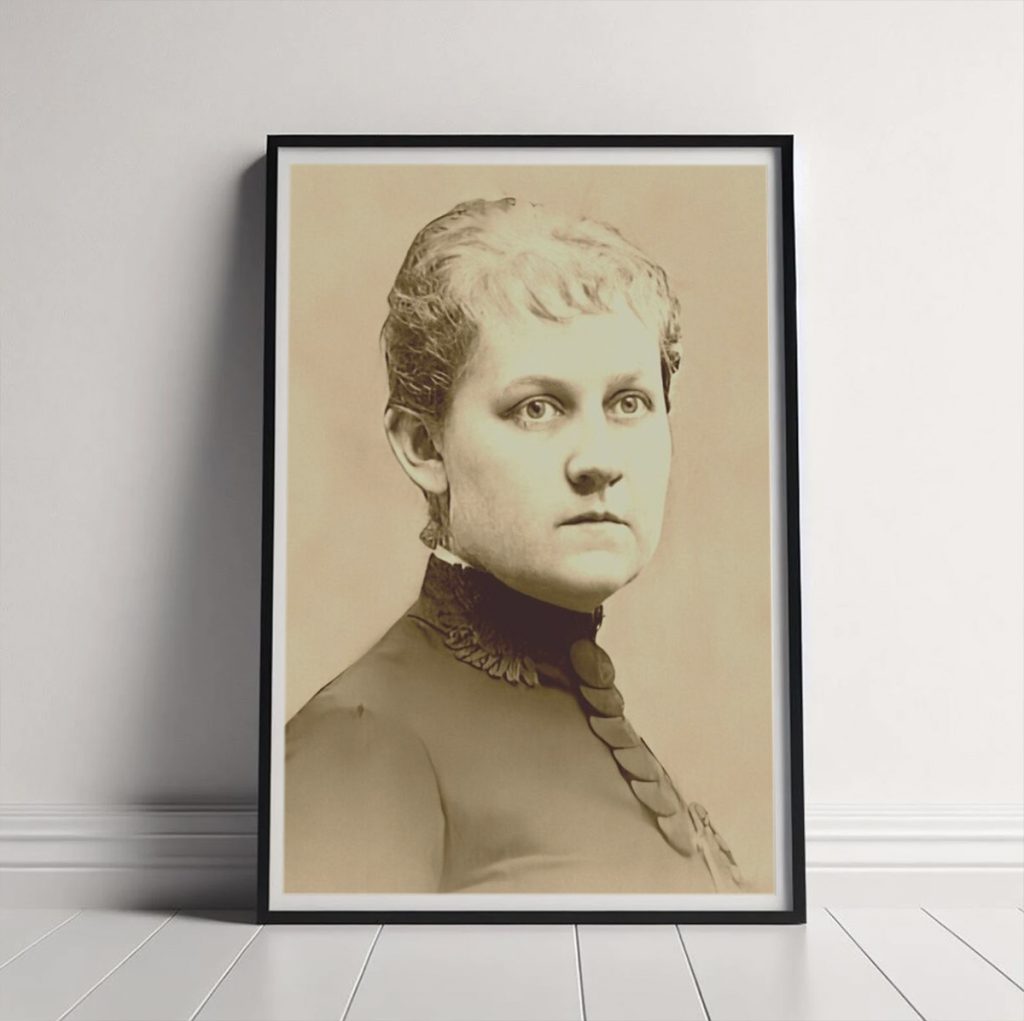
Louise Blanchard Bethune
Architect
About Louise Blanchard Bethune
Louise Blanchard Bethune: America’s First Female Architect and Buffalo’s Architectural Pioneer
Buffalo, New York, is a city known for its storied history and stunning architecture, much of which owes its charm to revolutionary minds who dared to challenge conventions. Among these trailblazers is Louise Blanchard Bethune, born on July 21, 1856, who made history as the first professional female architect in the United States. Her groundbreaking career left an enduring impact on Buffalo and the larger world of architecture, setting new standards long before the field was welcoming to women.
Breaking Barriers in a Male-Dominated Profession
Born in Waterloo, New York, Louise Blanchard Bethune moved to Buffalo with her family at a young age. Her father, a school principal, and her mother, a teacher, instilled in her a deep appreciation for education and hard work. It was no surprise when Louise pursued a path few women dared to tread—the field of architecture.
After graduating from Buffalo High School, Bethune embarked on her architectural education under the mentorship of Buffalo architect Richard A. Waite. During the late 19th century, female architects were virtually unheard of, yet Louise demonstrated both talent and determination, establishing herself in a field that was firmly dominated by men.
Pioneering Contributions to Buffalo’s Architecture
By 1881, Louise Blanchard Bethune had made history as the first woman to open her own architectural firm in the United States, working in partnership with Robert A. Bethune, whom she later married. Together, they played a significant role in shaping Buffalo’s architectural identity during the city’s Golden Age, when it was flourishing as one of America’s wealthiest and fastest-growing cities.
One of Bethune’s most notable contributions to Buffalo is the Hotel Lafayette, completed in 1904. Designed to be one of the most luxurious hotels of its time, the Lafayette showcased Bethune’s brilliance in combining elegance with functionality. The hotel featured state-of-the-art innovations, such as indoor plumbing and fireproof construction, highlighting her forward-thinking approach to architecture. Today, the Lafayette continues to stand as a testament to her creative vision, serving as a historic landmark in the heart of Buffalo.
Bethune’s work was not limited to grand hotels. She designed numerous public schools, factories, and residential buildings throughout Buffalo and Western New York. Her designs stood out for their meticulous attention to detail and commitment to durability, functionality, and modernity.
Refusing to Compromise
Louise Blanchard Bethune’s career was marked by her unwavering resolve to receive the respect and recognition she deserved. A vivid example of her fierce sense of integrity occurred in 1891, when she refused to enter her designs in a competition for the Woman’s Pavilion at the World’s Columbian Exposition in Chicago. Her reasoning was simple yet profound—she believed the competition reinforced gender-based segregation and undervalued the work of female architects by offering lower prizes compared to competitions for men. Instead, Bethune advocated for parity in architectural standards, staunchly positioning herself as an equal among her male peers.
Her commitment to gender equality was further reflected in her professional affiliations. She became the first woman to be admitted to the American Institute of Architects (AIA) in 1888, another groundbreaking achievement that paved the way for future generations of women in design and construction.
Anecdotes and Lesser-Known Facts
Bethune’s career was not only about designing buildings; it was about shaping a path for others to follow. One interesting anecdote involves her ability to balance personal and professional life. Despite facing skepticism from society, she managed to seamlessly multitask between her work as an architect and her role as a wife and mother. Her perseverance became a symbol of empowerment for women across professions who sought to have both a fulfilling career and family life.
Another noteworthy fact about Louise Blanchard Bethune is her role as a mentor. She provided guidance to aspiring architects, including young women, who were inspired by her trailblazing career. Her office was not just a workplace but a hub for innovation and encouragement, planting the seeds for more inclusive architectural practices.
Legacy of an Icon
Louise Blanchard Bethune’s contributions went far beyond the physical structures she designed. She demonstrated that women could excel in architecture, challenging the norms of a male-dominated industry and breaking down barriers one building at a time. Her influence on Buffalo’s skyline remains, not just in designs like the Hotel Lafayette, but in the spirit of creativity and resilience she brought to the city.
Buffalo, in turn, offered Bethune the fertile ground for her ideas to flourish. It was the city’s growth, its culture of progress, and its citizens’ thirst for innovation that enabled her to lead a successful practice and make history.
Today, Louise Blanchard Bethune is a celebrated figure not only in Buffalo but across the architectural world. She serves as an enduring reminder of the power of perseverance and the necessity of challenging outdated norms. Her legacy is etched not only into Buffalo’s buildings but also into the lives of generations of women who now see architecture as a field open to their ambitions.
On July 21, as we honor the birth of this visionary, we celebrate her courage, her talent, and her indomitable spirit. Louise Blanchard Bethune built more than buildings—she built bridges to a future where women could confidently claim their place in the architectural world. Buffalo will always proudly claim her as one of its own.