
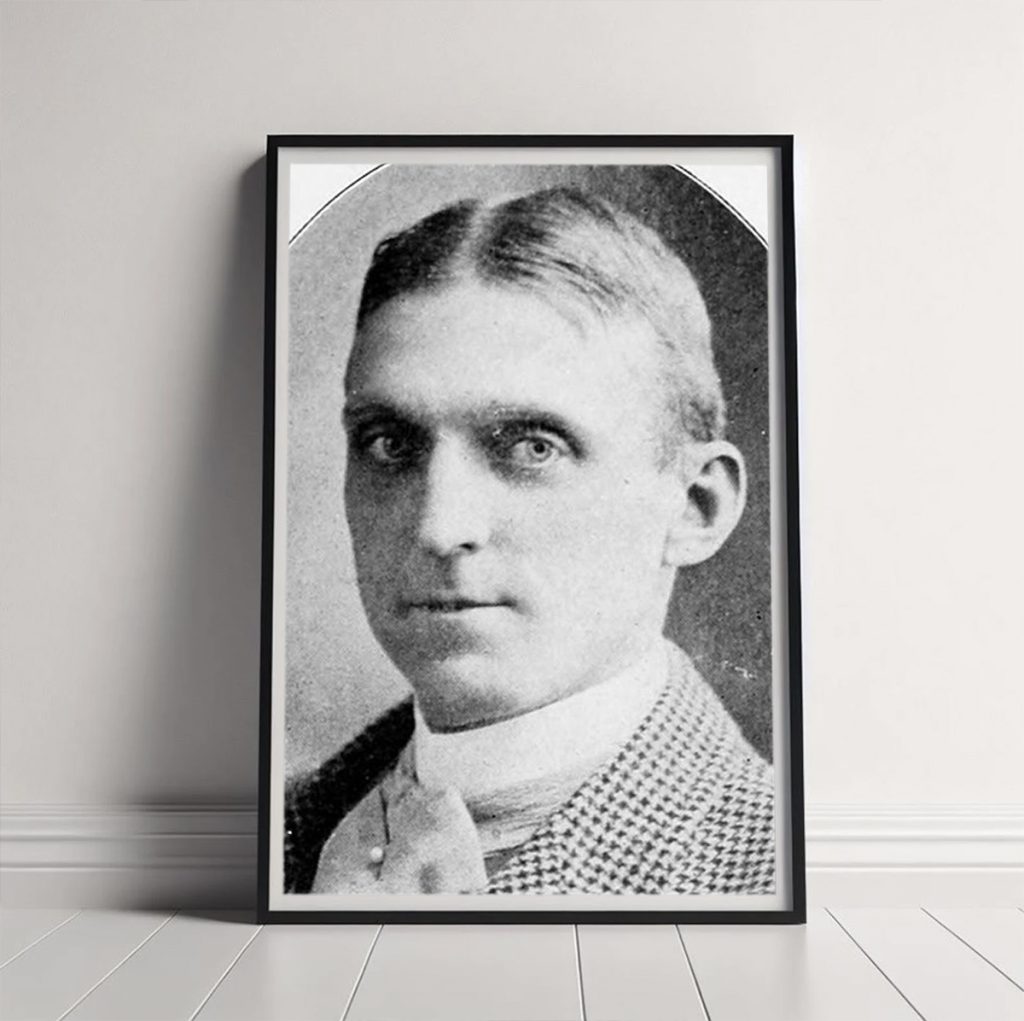
George Cary
Architect
About George Cary
George Cary: Buffalo’s Historic Architect and Visionary
Buffalo, New York, has long been a city celebrated for its stunning architecture—a testament to the creativity and skill of the architects who shaped its skyline. Among these influential figures stands George Cary, a Buffalo-born trailblazer whose contributions to the city’s architectural heritage are both iconic and enduring. Renowned for his work on projects like the Buffalo History Museum and the Pan-American Exposition, Cary left an indelible mark on his hometown while advancing the field of architecture during the early 20th century.
Early Life and Architectural Aspirations
George Cary was born in Buffalo on May 3, 1859, into a prominent local family. With a natural talent for design and an eye for beauty, Cary was destined to pursue a creative path. After completing his education in Buffalo, he ventured to the Massachusetts Institute of Technology (MIT) to study architecture, further honing his craft at the prestigious École des Beaux-Arts in Paris. His classical training, coupled with his deep appreciation for balance, proportion, and historical styles, laid the foundation for a career that would seamlessly blend tradition with innovation.
Returning to Buffalo, Cary brought with him a refined architectural sensibility that aligned perfectly with the city’s aspirations. Buffalo was growing rapidly during the Gilded Age, and its leaders sought to construct buildings that reflected its economic prowess and cultural sophistication. Cary became one of the architects who helped bring that vision to life.
Notable Contributions to Buffalo’s Architecture
One of George Cary’s most celebrated achievements is his design for the Buffalo History Museum, originally built as the New York State Building for the Pan-American Exposition in 1901. Modeled after the Parthenon in Athens, the building exemplifies Cary’s mastery of classical revival architecture. Its grand columns, symmetrical proportions, and timeless elegance make it a standout in Buffalo’s architectural landscape. While it was one of many temporary structures constructed for the exposition, this masterpiece was designed to last, and it remains a prominent cultural landmark in the city to this day.
Cary’s contributions to the Pan-American Exposition went beyond the History Museum. As one of the event’s supervising architects, he played a key role in shaping the overall aesthetic and layout of the fairgrounds, which drew visitors from around the world. The exposition showcased Buffalo’s industrial vitality while demonstrating the power of architecture to inspire awe and wonder. Cary’s involvement highlighted his ability to collaborate on large-scale projects while maintaining artistic integrity.
Beyond the exposition, Cary also completed several other prominent works, including residential projects and public structures. His designs often blended classical and Beaux-Arts influences, a style that resonated with a city eager to project grace and grandeur. His work reflected not only the architectural trends of the time but also his personal commitment to creating thoughtful, timeless spaces.
Anecdotes and Lesser-Known Facts
While George Cary is best known for his architectural accomplishments, his life was filled with fascinating details that reflect his depth as an individual and a professional. One lesser-known story involves his time in Paris. While studying at the École des Beaux-Arts, Cary was immersed in the artistic energy of the city, which shaped his appreciation for classicism and discipline. This experience wasn’t just formative—it helped Cary distinguish himself back in Buffalo as one of the few architects in the area to receive European training.
Another intriguing insight into Cary’s career was his role in the transformation of Buffalo’s urban landscape during a period of monumental growth. He was known for his meticulous attention to detail and his ability to adapt classical styles to meet modern needs. Cary’s designs often combined elegance with functionality—traits that made his buildings enduringly relevant, even as architectural tastes evolved.
Despite his accomplishments, Cary reportedly remained fairly low-key, preferring his work to speak for itself. His modesty was matched by his dedication to Buffalo, as he consistently chose to use his talents to benefit his hometown, even with opportunities available to him elsewhere.
George Cary’s Enduring Legacy
George Cary’s legacy can be seen in the physical structures he left behind, but it’s equally evident in the inspiration he provided to future architects from Buffalo and beyond. His work on the Buffalo History Museum is a lasting emblem of his talent, a building that remains a cultural and architectural treasure. Similarly, his involvement in the Pan-American Exposition cemented his role as a visionary who understood the power of architecture to define a moment in time.
Buffalo, in turn, played a vital role in Cary’s achievements. The city’s thriving cultural and economic landscape gave him the opportunities and resources to execute ambitious projects. Through his designs, Cary not only elevated Buffalo’s aesthetic identity but also contributed to the city’s standing as a hub of architectural innovation.
Today, Cary’s work reminds us of the importance of preserving beauty and history. His ability to merge classical influences with local character resulted in spaces that continue to delight and inspire. Whether strolling through the Buffalo History Museum or studying the legacy of the Pan-American Exposition, you’re bound to feel the enduring impact of George Cary—a true icon of Buffalo’s architectural story.