
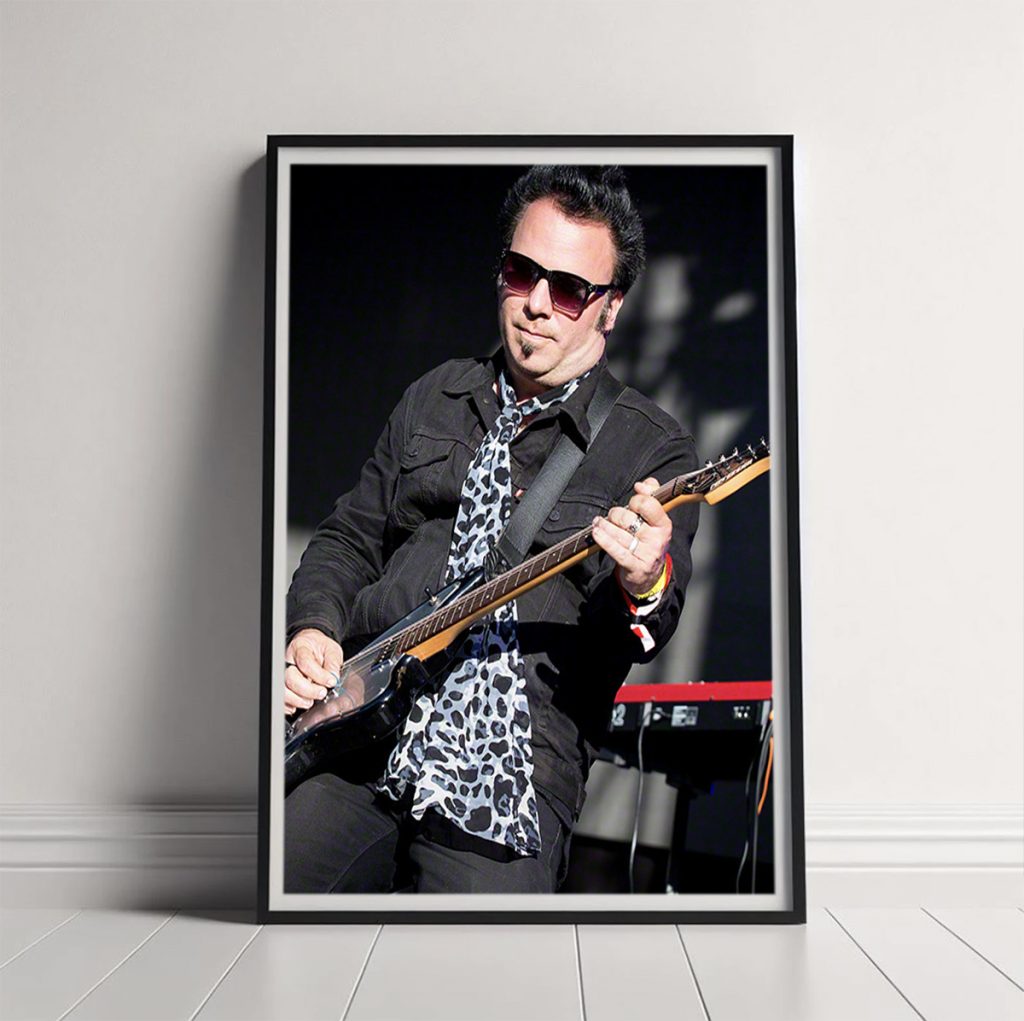
Grasshopper
Musician
About Grasshopper
Grasshopper – Sean Thomas Mackowiak: A Buffalo-Born Innovator in Music
Buffalo, NY, a city steeped in rich artistic output, has given rise to numerous talents who leave their fingerprints on the cultural landscape. One such talent is Sean Thomas Mackowiak, better known by his stage name, Grasshopper. Born on May 25, 1967, in Dunkirk, New York, just outside Buffalo, Grasshopper would go on to become a key figure in the world of alternative rock through his groundbreaking work with the band Mercury Rev. With a career spanning decades, he remains a symbol of creative exploration and innovation, blending diverse influences into unique soundscapes that still resonate with musicians and fans alike.
Early Life and Education
Sean Mackowiak’s passion for music was ignited in his formative years through the influence of a family member who worked for Atlantic Records. This early introduction to the works of jazz legends like John Coltrane, Miles Davis, and Ornette Coleman shaped his eclectic ear for composition and improvisation. Growing up in Dunkirk on the edge of Buffalo, Sean absorbed a wide variety of musical styles, ranging from his neighbors’ radio stations to the experimental energy of the Buffalo arts scene.
Pursuing his passion for creativity, Grasshopper attended the University at Buffalo, where he studied Media Studies from 1984 to 1988. It was here that he crossed paths with avant-garde filmmakers Tony Conrad and Paul Sharits, whose cinematic experimentation further enriched his artistic perspective. It was also at UB where Grasshopper began playing bass guitar with the group Shady Crady, a forerunner to Mercury Rev, alongside fellow future band member Jonathan Donahue.
Grasshopper’s vibrant curiosity and creative energy earned him the nickname inspired by the Polish translation of his surname—an homage to his energetic and restless persona.
Rising with Mercury Rev
Grasshopper co-founded Mercury Rev in 1989, a band that quickly separated itself from the crowd with its psychedelic and experimental approach to alternative rock. Playing lead guitar and contributing to the band’s innovative sound design, Grasshopper’s use of effects-processed guitars played a pivotal role in crafting their signature lush and surreal soundscapes.
Mercury Rev’s debut album, Yerself Is Steam (1991), and their follow-up, Boces (1993), pushed boundaries with their chaotic yet immersive instrumentation. While these works attracted underground acclaim, it wasn’t until the release of Deserter’s Songs (1998) that the band achieved widespread critical and commercial success. Grasshopper was instrumental in this transformation, contributing clarinet lines and orchestral textures that helped the album achieve its richly cinematic feel. Tracks like Holes and Goddess on a Hiway solidified the band’s place in alternative rock history.
The success of Deserter’s Songs paved the way for future acclaimed albums, including All Is Dream (2001) and The Secret Migration (2005). Grasshopper’s versatility on guitar, clarinet, and even custom-built instruments like the Tettix Wave Accumulator showcased his commitment to evolving the band’s sound while preserving their artistic integrity.
Beyond Mercury Rev, Grasshopper also contributed to side projects like Harmony Rockets and released a solo album with Grasshopper and the Golden Crickets, further demonstrating his ability to shift genres and explore uncharted musical territories.
Contributions to Alternative Rock
Grasshopper’s influence on alternative rock extends far beyond his technical expertise. His work with Mercury Rev helped redefine what alternative music could be, blending elements of jazz, orchestral arrangements, and experimental tones into cohesive and emotional narratives.
Perhaps one of his most groundbreaking contributions was his role in integrating avant-garde concepts with accessible melodies, creating a soundscape that captivated listeners across the globe. His ability to create both discordant and dreamlike musical moments remains an inspiration to countless musicians striving to push the boundaries of their craft.
A Buffalo Legacy
Grasshopper’s story is inseparable from his Buffalo roots. His educational experiences at the University at Buffalo deeply impacted his artistic trajectory, while the city’s vibrant culture nurtured his appetite for experimentation. Though Grasshopper moved beyond Western New York to perform on international stages, his origins in Buffalo provided the creative foundation and work ethic that propelled him forward.
For music enthusiasts in Buffalo, Grasshopper is a hometown hero—a reminder of the innovative spirit and artistic ambition that thrive in the region. His success is a testament to the quality of talent hailing from the area and an inspiration for young musicians looking to make a mark on the world.
Ongoing Influence
Decades after his career began, Grasshopper continues to be a significant figure in music. Mercury Rev remains active, celebrating a legacy of groundbreaking albums while consistently pushing their artistic limits. Grasshopper shows no signs of slowing down, and his contributions to music serve as a beacon for creativity, proving that the combination of boundless imagination and hard work can leave a lasting cultural impact.
Closing Thoughts
Grasshopper, aka Sean Thomas Mackowiak, represents the best of what Buffalo-area talent has to offer. Through his work with Mercury Rev and beyond, he has consistently expanded the definition of what music can be—an art form of boundless expression and emotional connection. His commitment to exploration, both personal and musical, makes him a pivotal figure in alternative rock’s evolution and cements his legacy as one of Buffalo’s most innovative artistic exports.
For fans of experimental music and alternative rock, Grasshopper isn’t just a musician; he’s an enduring source of inspiration, proving that the most beautiful sounds often emerge from taking daring creative leaps.