
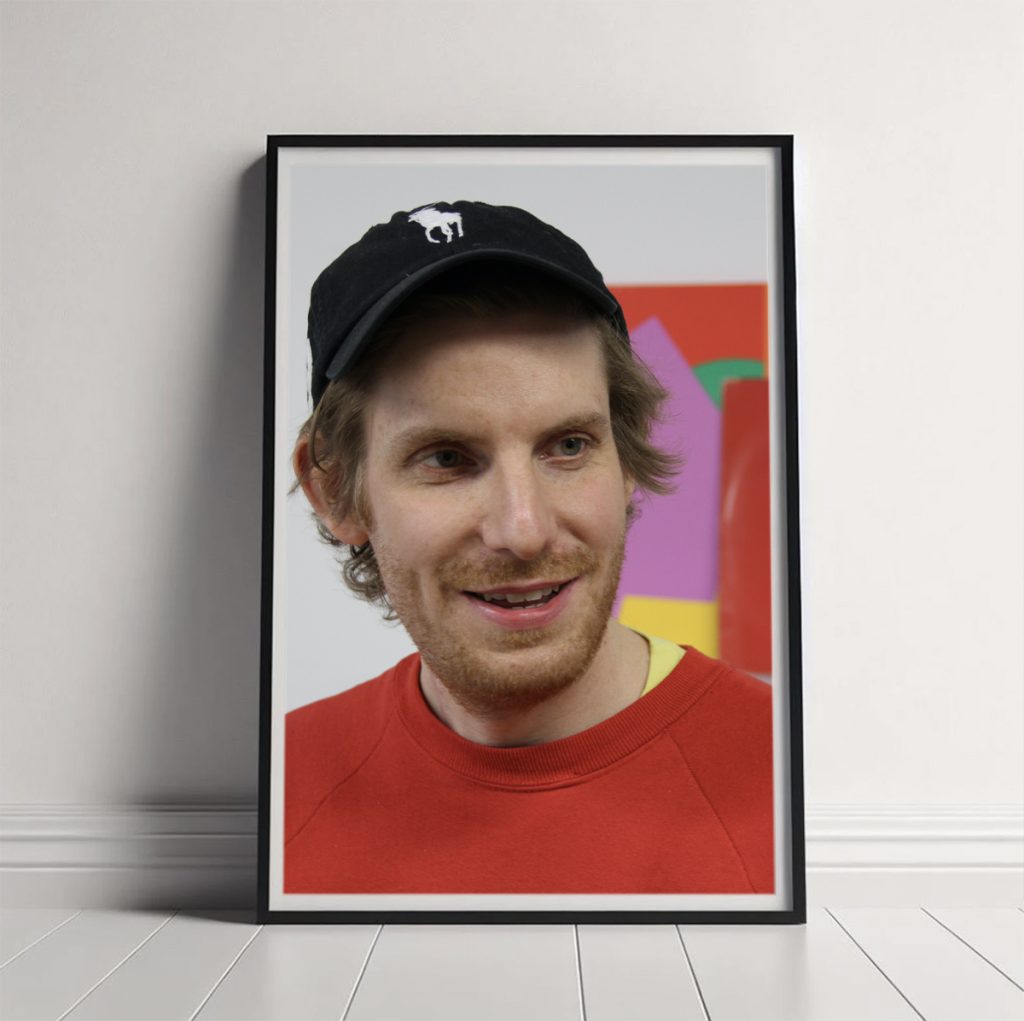
Cory Arcangel
Artist
About Cory Arcangel
Cory Arcangel – Buffalo’s Digital Art Visionary
When discussing pioneers in digital art, Cory Arcangel shines as a bold innovator. Born on May 25, 1978, in Buffalo, NY, Arcangel has reimagined the boundaries of creativity through his exploration of technology, culture, and media. With a career rooted in clever reinterpretations of digital tools and popular culture, Arcangel became one of the most influential figures in new media art. From his reworking of vintage video games to conceptual musical compositions, his entire body of work invites audiences to rethink the relationship between art and technology—all while paying homage to the city that shaped him.
Early Days in Buffalo
Cory Arcangel grew up in Buffalo, where his creativity was nurtured at an early age. During his high school years at Nichols School, Arcangel stood out not only as a star lacrosse goalie but also as a curious artist with an affinity for technology. He was exposed to experimental video art—thanks in part to the local Squeaky Wheel Buffalo Media Arts Center, which introduced him to pioneering video works by artists like Nam June Paik.
His passion for music was equally evident. By age 17, he was practicing classical guitar intensely, eventually leading him to pursue further studies in music at Oberlin Conservatory of Music in Ohio. While at Oberlin, Arcangel shifted his focus to the technology of music, earning a degree in 2000. This decision would lay the foundation for his future career in digital art. His fascination with unconventional artistic media was encouraged by mentors like Pauline Oliveros, whose experimental sound compositions inspired Arcangel’s innovative approach to storytelling through technology.
Pioneering Digital Art
Arcangel burst onto the digital art scene with his knack for transforming obsolete technologies into modern masterpieces. His work often involves appropriating and reimagining nostalgic media like old video games, consumer software, and internet culture. He became a trailblazer in post-conceptual art, using humor and creativity to reflect on the absurdities and beauties of the digital age.
One of Arcangel’s most recognized projects is Super Mario Clouds (2002), a modified version of the classic Nintendo game Super Mario Bros.. By hacking the game cartridge, Arcangel stripped all visuals except the simple, scrolling clouds moving across a blue sky. This minimalist yet striking reinterpretation captivated audiences as it juxtaposed childhood nostalgia with serene contemplation.
He followed this with another profound work, I Shot Andy Warhol (2002), a playful hack of the NES game Hogan’s Alley. Arcangel replaced the in-game characters with pop culture icons, such as Andy Warhol, Flavor Flav, and the Pope, inviting viewers to consider the intersections of celebrity, idolatry, and violence in media.
Other notable works include Totally Fucked (2003), where Mario is trapped on a single block in infinite nothingness; and Photoshop Gradient Demonstrations (2008), which presented large-scale, vividly colorful prints of default Photoshop gradients as art. Each project displayed Arcangel’s wit and technical expertise while blurring the edges of what contemporary art could be.
Expanding Media and Influence
Beyond gaming and visuals, Arcangel expanded into diverse creative fields, including performance art, music, and internet art. One particularly memorable project, Pizza Party (2004), was a functional software program that allowed users to order Domino’s Pizza through a command-line interface. His projects have appeared in major exhibitions globally, including at the Whitney Museum of American Art, and his work resides in collections such as the Museum of Modern Art (MoMA) and the Migros Museum.
Another hallmark of Arcangel’s career is his ability to mix humor and critique. For example, his Various Self-Playing Bowling Games (2011) features hacked bowling video games where every roll results in gutter balls. By infusing mundane failure with absurdity, the artwork provokes a reflection on digital perfection and human imperfection.
A Buffalo Legacy
Cory Arcangel’s Buffalo origins are evident in his work—a city known for fostering grit, ingenuity, and creativity. Growing up in such a supportive and artistically forward-thinking community gave him the grounding to experiment and push digital art to new heights. Though he later moved to Stavanger, Norway, to live with his family, Buffalo’s cultural impact remains at the core of his approach to art.
For Buffalo’s art community, Arcangel represents the possibilities that emerge when traditional art meets technology. His trajectory from local student to international art figure inspires aspiring artists across the region.
A Lasting Impact
Cory Arcangel’s art continues to challenge and delight audiences, encouraging them to see digital tools not as mundane technologies but as vessels for creativity. His influence can be found in how contemporary artists integrate internet culture and digital aesthetics into museums, galleries, and online spaces.
By bridging the gap between pop culture and fine art, Arcangel forces us to reconsider the permanence of memory, the rapid evolution of technology, and how art can foster meaningful conversations in an increasingly digital world.
Closing Thoughts
Cory Arcangel is a testament to Buffalo’s ability to cultivate remarkable talent. His playful yet thought-provoking works stand as milestones in digital art, and his conceptual ingenuity places him among the most exciting artists of our time. Whether creating hacked video games, thought-provoking prints, or internet art, Arcangel’s ability to find beauty in the digital detritus of modern life ensures his legacy remains dynamic, impactful, and relevant.
For anyone inspired by the interplay of creativity and technology, Cory Arcangel’s work serves as a reminder that innovation often begins with curiosity, humor, and a little imagination.