
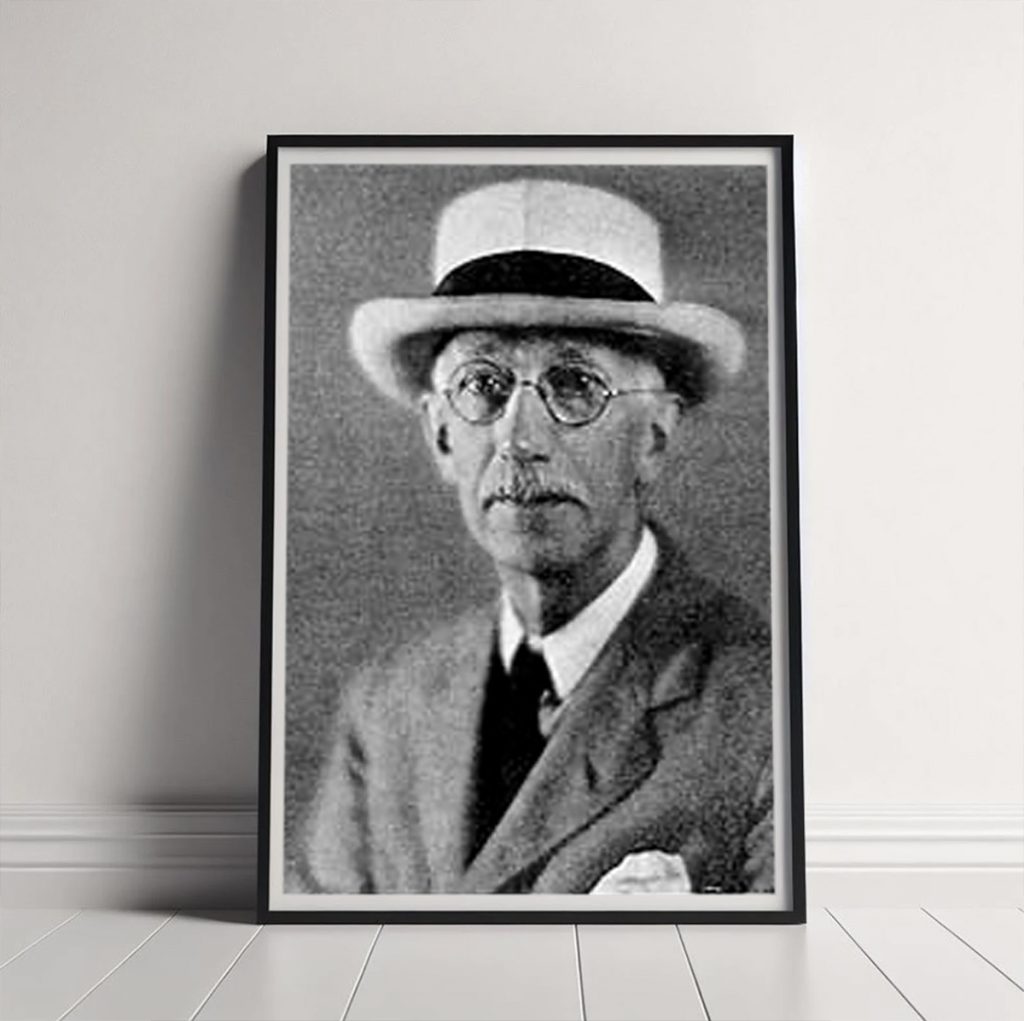
Edward Brodhead Green
Architect
About Edward Brodhead Green
Edward Brodhead Green – Buffalo’s Timeless Architectural Luminary
Buffalo, NY, boasts a rich architectural heritage, and few names have done more to shape it than Edward Brodhead Green, born on May 10, 1855. Often known simply as E.B. Green, his work defined Buffalo’s cityscape and helped shape its architectural identity. With a career spanning over seven decades, Green’s contributions left an indelible impact not only on Buffalo but on the broader world of American architecture.
Early Life and Education
Born in Utica, NY, E.B. Green grew up in an era when innovation paired with craftsmanship was celebrated in architecture. After demonstrating a strong aptitude for design, Green pursued formal education in the field. He graduated in 1878 with a Bachelor of Architecture degree from Cornell University, where he was among the pioneers of Cornell’s architecture program. This education laid the groundwork for his later success, blending academic principles with a deep appreciation for historical styles.
After completing his studies, Green spent three years working for the prominent architect William Miller in Ithaca, NY. But it was his partnership with fellow architect William Sydney Wicks—a graduate of MIT—in 1880 that became the turning point in his career. The pair launched their firm initially in Auburn, NY, before permanently settling in Buffalo a year later. From this base, Green’s influence would grow, shaping one of America’s burgeoning cities during its heyday.
The Rise of Green & Wicks
Buffalo’s rapid transformation in the late 19th and early 20th centuries required architects to dream big, and Green & Wicks rose to the challenge. Their work was marked not only by its aesthetic brilliance but also by its enduring functionality. Together, the duo designed a wide variety of structures, including commercial spaces, private residences, cultural institutions, and civic buildings.
One of their most enduring legacies is the Buffalo Savings Bank, with its striking golden dome that remains a landmark of the city. They also created architectural gems such as the Albright-Knox Art Gallery, the Twentieth Century Club, and the Market Arcade Building, all of which remain central to Buffalo’s cultural tapestry.
Green & Wicks worked on over 370 major buildings during their partnership, and more than 160 of these still stand in Buffalo today—a testament to the quality and innovation of their designs. Their attention to detail and respect for historical influences allowed their work to transcend the trends of their era, making them timeless examples of architectural excellence.
A Solo Legacy After Wicks
Following the passing of his long-time partner Wicks in 1919, Green carried on the practice under the new partnership Edward B. Green & Son, working alongside his son Edward Jr. until his death in 1933. Continuing to refine his professional vision, Green adapted to changing architectural movements. He seamlessly transitioned from the classical and Tudor styles that initially defined his work to incorporate more modern elements, ensuring his firm remained relevant while still adhering to his principle of designing with purpose and beauty.
Some of his later contributions include institutional projects such as South Park High School in Buffalo and expansive private residences like the Charles W. Goodyear Residence. Green also had the distinction of working internationally, contributing designs for several buildings owned by the Ontario Power Company in Niagara Falls, Ontario.
Contributions to Architecture
E.B. Green’s architectural philosophy was rooted in timelessness. He believed in blending the aesthetic grandeur of classical styles with the functionality expected of modern design. This approach garnered him the respect of peers and clients alike, eventually earning him the title of Fellow of the American Institute of Architects in 1890.
Green wasn’t just an architect of his time; he was a forward-thinker whose work laid the groundwork for architectural sustainability in Buffalo. He championed the preservation of dignity and history in design, ensuring that even utilitarian structures carried a sense of beauty.
Green’s footprint extended beyond Buffalo, inspiring architects nationwide to prioritize craftsmanship and historical integrity. His work heavily influenced the burgeoning architectural scene in both the U.S. and Canada, making him a respected figure in North America’s architectural community.
E.B. Green’s Legacy
E.B. Green passed away on February 2, 1950, at the age of 94. Though his physical presence was gone, his work continues to define Buffalo’s skyline and enrich its cultural atmosphere. Many of his buildings, both grand and understated, remain cornerstones of the city’s identity, ensuring that his legacy lives on.
For aspiring architects in Buffalo and beyond, E.B. Green’s success serves as an enduring source of inspiration. His ability to blend practicality with artistry remains a guiding principle in architectural education and practice.
Today, his works are widely recognized as historical treasures. Properties like the Albright-Knox Art Gallery and the Buffalo Savings Bank draw visitors year-round, while his private residences stand as a testament to his range and versatility. His designs have not only weathered decades but have also added immeasurable value to Buffalo’s reputation as a city of architectural brilliance.
A Timeless Influence
E.B. Green shaped Buffalo during its Golden Age and beyond, helping to establish the city as a destination for breathtaking architecture. His career’s longevity—spanning over 70 years—is a testament to his adaptability and dedication to his craft. While trends in architecture come and go, E.B. Green’s values of historic preservation, meticulous attention to detail, and marrying beauty with utility remain as relevant today as they were during his time.
Buffalo will always owe its rich architectural landscape to this visionary artist. Through his work, Edward Brodhead Green ensured that Buffalo would stand as a beacon of architectural innovation and timeless beauty for generations to come.