
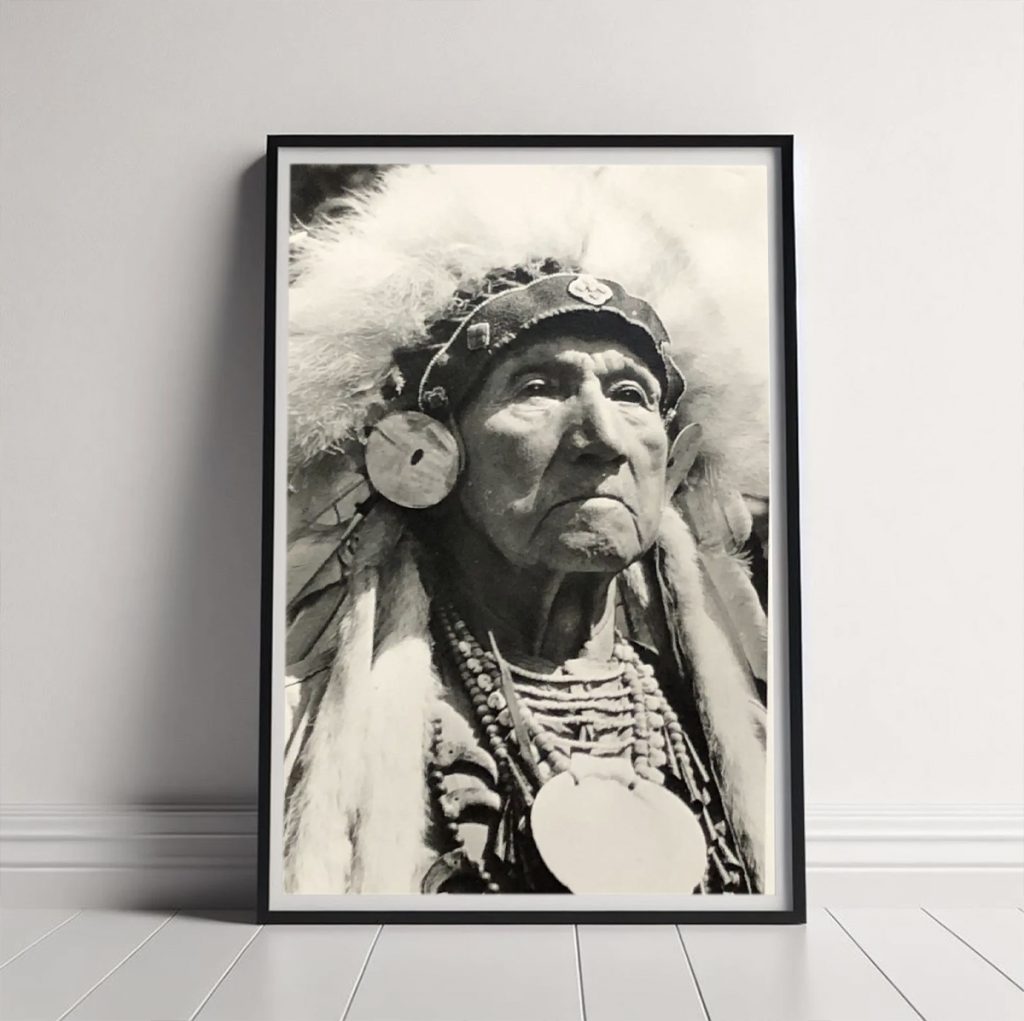
Chief John Big Tree
Actor
About Chief John Big Tree
Chief John Big Tree – Buffalo’s Native American Film Pioneer
Buffalo, NY, has seen the rise of many remarkable figures, but few capture the spirit of resilience and cultural pride like Chief John Big Tree. Born Isaac Johnny John on June 2, 1877, he was a member of the Seneca Nation and one of the early Native American actors to rise to prominence in Hollywood. His career spanned decades, and his contributions to cinema, culture, and Native American representation remain impactful to this day.
Early Life in Buffalo
Chief John Big Tree was born in Buffalo to Lewis and Lucy Johnny John. Growing up as part of the Seneca Nation in Western New York, he was deeply rooted in the culture, traditions, and stories of his people. His upbringing in this vibrant, interconnected community instilled in him a strong sense of identity, which he carried throughout his life.
While details of his early life are somewhat sparse, Chief John Big Tree’s move into the world of entertainment began in an era when Native Americans were often typecast in films. Despite the limited roles available to Indigenous actors at the time, his unmistakable on-screen presence allowed him to carve a niche for himself in Hollywood.
Making His Mark in Film
Chief John Big Tree’s acting career took off in 1915, at a time when film was still a burgeoning industry. Over the years, he appeared in 59 films, including both silent and sound productions. His acting often featured him in roles as a tribal leader, scout, or warrior. While these portrayals leaned heavily on the stereotypes of the era, his ability to bring gravitas to his characters made him a standout.
Some of his more notable appearances include roles in iconic films like “Stagecoach” (1939), “Drums Along the Mohawk” (1939), and “She Wore a Yellow Ribbon” (1949). These productions are considered classics of American cinema, and Chief John Big Tree’s involvement reflects a pivotal era for Native American representation in Hollywood.
Though many of his roles were smaller or uncredited, his presence in Westerns and historical dramas ensured that Native voices remained part of the cinematic narrative during a time when Indigenous stories were often ignored or erased.
However, Chief John Big Tree’s legacy isn’t just about the roles he played in film—it’s also tied to a fascinating link with American art and currency. He claimed to have been one of the models for James Earle Fraser’s famous Indian Head nickel design. The profile of this nickel, used from 1913 to the late 1930s, is said to be a composite of three Native American individuals, with Chief John Big Tree’s features forming part of its striking iconic image.
Contributions Beyond the Screen
Chief John Big Tree was more than an actor—he was an advocate for his people and a representative of Native American culture on a broader stage. His career coincided with a growing national interest in Native American traditions and history, and he became a public figure embodying the rich heritage of his people.
By navigating the complex and often prejudiced landscape of early 20th-century Hollywood, he paved the way for future Native American actors to follow. His dedication allowed him to leave an indelible mark in an industry that was just beginning to grapple with issues of representation and diversity.
Legacy in Buffalo and Beyond
For Buffalo, Chief John Big Tree’s story is a source of pride. He stands as a testament to the creativity and determination that has always characterized the region’s people. His life serves as a reminder of Buffalo’s historical ties to Native American culture and the importance of celebrating the contributions of its Indigenous inhabitants.
Nationally, Chief John Big Tree remains a trailblazer. For Native American actors today, his career represents the beginning of representation in Hollywood. The challenges he faced and overcame helped bring visibility to Indigenous performers in a time when their voices were often silenced.
His influence extends into art and culture, from his connection to the Indian Head nickel to his portrayal of compelling characters on screen. Even decades after his passing in 1967, his legacy resonates in the worlds of film, culture, and historical memory.
Ongoing Influence
Chief John Big Tree’s life and career continue to inspire both Native American and non-Native actors to this day. While many of the roles offered to Indigenous talent during his time were steeped in stereotypes, his ability to bring dignity and authenticity to his characters has paved the way for modern performers to demand better narratives and representation.
Today, Native American actors such as Wes Studi, Graham Greene, and others stand on the shoulders of pioneers like Chief John Big Tree. Their successes are part of a growing movement to tell authentic Indigenous stories, and his contributions are a vital chapter in that ongoing effort.
A Proud Legacy
From the plains of the Seneca Nation to the bright lights of Hollywood, Chief John Big Tree’s story is one of perseverance, pride, and cultural celebration. Born and raised in Buffalo, he carried the spirit of his community into an industry that was not yet ready to fully celebrate diversity.
Chief John Big Tree stands as an example of how one individual can bridge cultural divides, preserve heritage, and leave a lasting impression on the world. His contributions remind us to honor Indigenous voices and celebrate the powerful stories they bring to life. Through him, Buffalo’s rich, diverse history continues to shine on both the local and global stage.