
Buffalo: A City Built on Steel, Grain, and Grit
Long before the skyline we know today, Buffalo was powered by water, steel, and hard work.
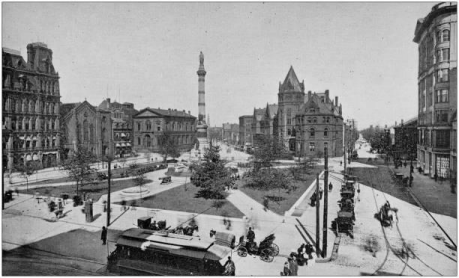
In the 1800s, the opening of the Erie Canal turned Buffalo into one of the most important trade cities in the country. Grain moved in from the Midwest. Ships lined the waterfront. Massive grain elevators rose along the harbor and changed the look of the city forever.
Buffalo didn’t grow quietly — it expanded fast.
Factories ran day and night. Steel plants employed thousands. Neighborhoods formed around the industries that fed families for generations. Streets were filled with workers heading to early shifts, corner taverns filled after long days, and small businesses opened to serve growing communities.
Then came the challenges.
As industries declined, so did population and opportunity. Factories closed. Jobs moved. Parts of the city were left behind. But Buffalo didn’t disappear. It adapted.
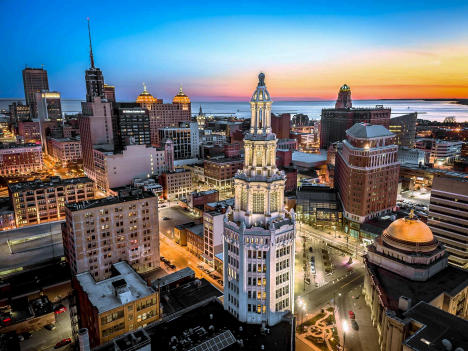
Over the last two decades, the city has been rebuilt in a different way. The waterfront came back to life. Canalside turned into a destination. Old industrial buildings became apartments, breweries, and creative spaces. Small businesses stepped forward to shape a new chapter.
Buffalo today is a mix of history and momentum. The grain elevators still stand. The neighborhoods still have pride. And local businesses continue to carry the spirit that built this city in the first place.
Buffalo wasn’t built overnight. And its story isn’t finished.