
April Stevens: April 29, 1929

A Voice That Reached Number One
Born Carol Vincinette LoTempio in Niagara Falls, April Stevens grew up steeped in the musical energy of Western New York. She began recording professionally in her early twenties, but it was her partnership with her younger brother, Nino Tempo, that brought her into the national spotlight. Signed to Atco Records, the sibling duo hit number one on the Billboard Hot 100 in 1963 with “Deep Purple,” a lush reimagining of the 1930s standard
that earned them a Grammy Award for Best Rock and Roll Recording — one of the most unexpected and enduring wins in the award’s early history.
A Western New York Original
April also made her mark as a solo artist, with recordings like “Teach Me Tiger” showcasing her distinctive breathy vocals — sultry, confident, and entirely her own. She passed away on April 17, 2023, at the age of 93, leaving behind a legacy that stretches far beyond any single chart position. For Buffalo and Niagara Falls, she remains a proud symbol of the extraordinary talent this region has always produced.
Jane Ward: April 30, 1932
Thirteen Championships and a Sport Transformed
Jane Ward didn’t pick up a volleyball until she was 22 years old — but once she did, she never stopped winning. In a career spanning from 1954 to 1968, the Buffalo native redefined what women’s volleyball looked like in America. A versatile and ferocious competitor, Ward played as an outside hitter, setter, and middle blocker, leading her teams to an astonishing 13 national championships. She was named an All-American every single year she played and earned MVP honors at Nationals five times.
Coach, Mentor, and Pioneer
After retiring from competition, Ward devoted twenty years to coaching and teaching the sport, passing her knowledge and passion to the next generation of athletes. Her story is one of late starts and limitless determination — a reminder that Buffalo has never waited for permission to compete at the highest level. Ward remains one of the Queen City’s finest sports icons, a trailblazer whose impact on volleyball can still be felt today.
Joseph Dart: April 30, 1799
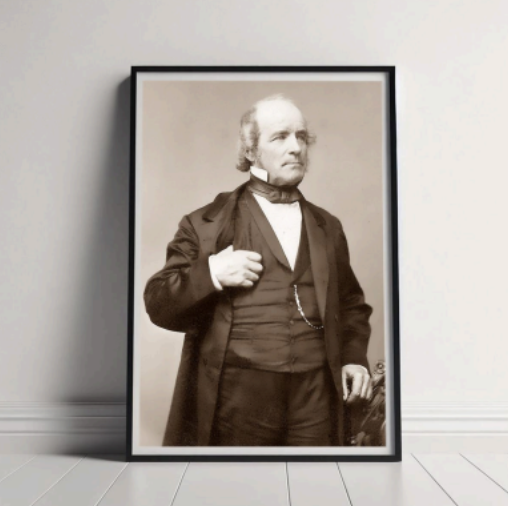
The Invention That Built a City
Joseph Dart was not an engineer by training — he was a businessman with a vision. In 1843, working alongside mechanical engineer Robert Dunbar, Dart introduced the world’s first steam-powered grain elevator to Buffalo’s waterfront. The invention was met with skepticism at first, but once operational, it moved more grain in a single day than an entire crew of workers could handle manually in a week. It was one of the most consequential industrial innovations of the 19th century, and it transformed Buffalo into one of the most important commercial cities in North America.
Buffalo’s Industrial Heartbeat
The grain elevators that still line Buffalo’s waterfront stand as monuments to Dart’s ingenuity — silent, hulking testaments to a city built on bold ideas and hard work. His legacy is inseparable from Buffalo’s identity: practical, determined, and always forward-thinking. On his April 30 birthday, we celebrate a man whose invention didn’t just change an industry — it changed a city, and the world followed.
Tim Kennedy: April 30, 1986
From Buffalo Ice to the NHL
Tim Kennedy grew up in Buffalo with hockey in his blood, and he made the most of every opportunity the game gave him. At Michigan State, he was a clutch performer — his game-tying goal and assist on the winner in the Frozen Four final helped deliver the Spartans a 2007 NCAA National
Championship, earning him All-Tournament honors along the way. He made his NHL debut with the Buffalo Sabres in 2008–09 and became a full-time roster player the following season, posting 10 goals and 26 points as a rookie. He later played for the Rangers and the Panthers, but Buffalo always remained his home.
A Local Legend
For young hockey players in Western New York, Tim Kennedy is proof that the path from local rinks to the NHL is real and achievable. His career embodied the tenacity and love for the game that defines Buffalo’s hockey culture — and his story continues to inspire the next generation of players who dream of pulling on a Sabres sweater one day.