
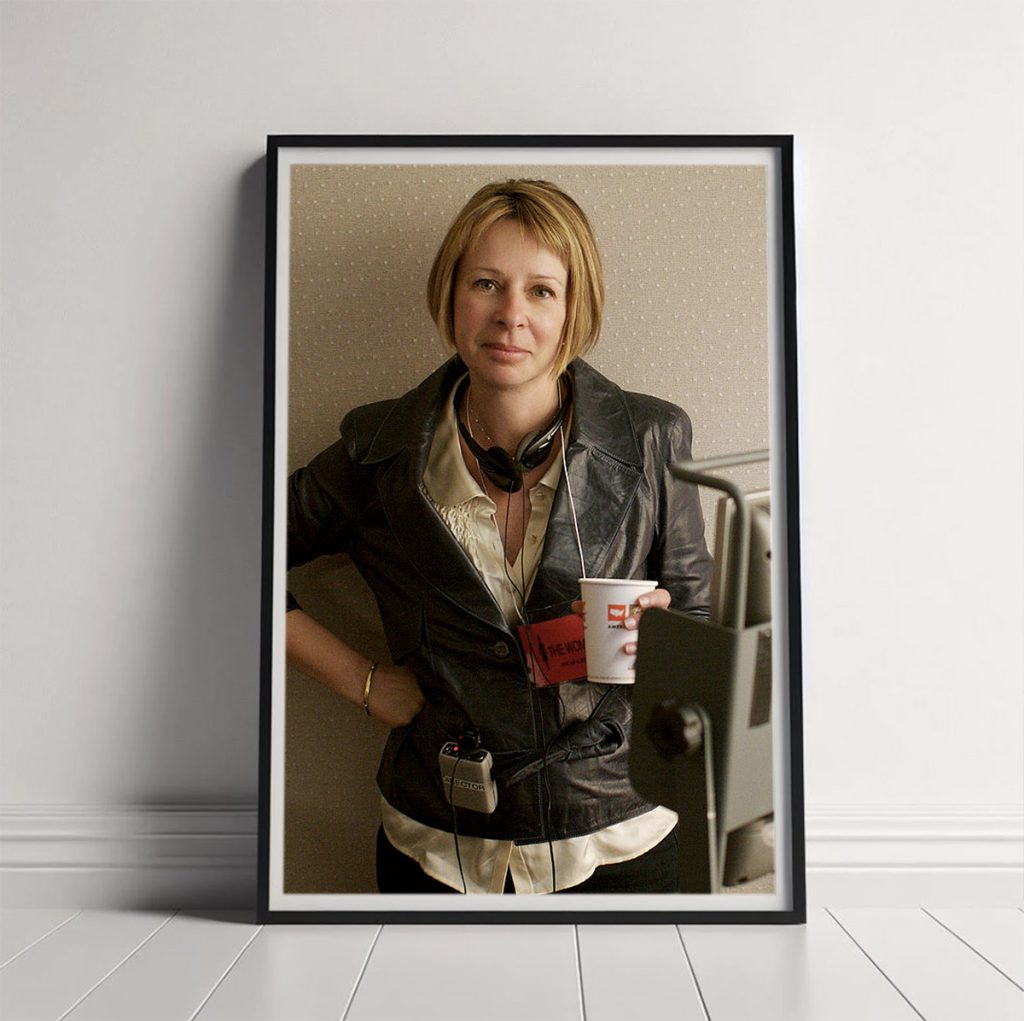
Diane English
Director
screenwriter
producer
About Diane English
Diane English: Buffalo’s Trailblazer in Television
Buffalo, NY, a city with a rich cultural history, has long been a nurturing ground for creative talent. Among its most distinguished trailblazers is Diane English, born on May 18, 1948. A celebrated screenwriter, producer, and director, English’s groundbreaking work has left an indelible mark on television, particularly with her creation of the iconic series Murphy Brown. Rooted in her Buffalo origins, her life and career serve as an inspiration to those who dare to dream big.
Early Life and Education
English’s story begins in Buffalo, where she was raised as the daughter of Anne and Richard English. Her father’s career as an electrical engineer and her mother’s support instilled in her a deep appreciation for education and discipline. Diane attended Nardin Academy, an esteemed Catholic school in Buffalo, where her love for storytelling began to take root.
Following her high school years, she attended Buffalo State College, a decision that solidified her foundation in creative arts and writing. Graduating in 1970, English pursued her passion, determined to channel her talents into shaping stories that would resonate with audiences far and wide. While Buffalo gave her the start she needed, ambition soon took her to the bustling media world of New York City.
A Remarkable Career in Television
English began her professional career at WNET, the PBS affiliate in New York City, where she worked as a story editor and associate director. These early experiences exposed her to the power of television as a medium for change and creativity. After a brief stint writing for Vogue magazine, English earned her first Writers Guild Award nomination for co-writing the PBS adaptation of Ursula K. Le Guin’s science fiction novel, The Lathe of Heaven (1980).
Her breakthrough came in the mid-1980s when she ventured into television series writing and production. Shows like Foley Square (1985) and My Sister Sam (1986) demonstrated her ability to create compelling characters and relatable stories, but neither fully captured the public’s attention. That all changed in 1988 with the birth of her defining work—Murphy Brown.
The Legacy of Murphy Brown
When Murphy Brown debuted on CBS, it broke new ground in television. Starring Candice Bergen as a sharp-witted, independent journalist, the series tackled contemporary issues while masterfully blending humor with thought-provoking narratives. The show resonated not only for its quick wit and dynamic cast but for its bold confrontation of social themes like gender equality, workplace culture, and politics.
The impact of Murphy Brown reached its peak during the 1992 U.S. presidential election when then-Vice President Dan Quayle criticized the show’s depiction of its lead character as a single mother. This sparked national debates about family values and the portrayal of modern women in media. English responded with eloquence and conviction, defending the rights of women to make their own life choices.
The series ran for a decade, producing an impressive 247 episodes and earning 18 Emmy Awards from 62 nominations. English took home three of those awards, including an Emmy for Outstanding Comedy Series. Years later, in 2018, the show was revived for a reboot season, reaffirming its enduring relevance.
Other Projects
While Murphy Brown remains her hallmark achievement, English also created several other series, including Love & War (1992–1995) and Ink (1996). Although these shows didn’t achieve the longevity of Murphy Brown, they further showcased her talent for writing nuanced characters and witty dialogue.
Her work extended into the film world with the 2008 movie The Women, a remake of the 1939 classic. The film featured an ensemble cast including Meg Ryan, Annette Bening, and Eva Mendes. Though it received mixed critiques, it was another testament to English’s commitment to spotlighting women’s stories in bold and unconventional ways.
Impact and Recognition
Diane English’s accomplishments have been celebrated through numerous accolades, including Writers Guild Awards and the prestigious Women in Film Crystal Award. Her clever, socially conscious storytelling shaped the TV landscape and paved the way for female creators in a male-dominated industry.
For Buffalo, English’s success serves as a beacon of pride. Her roots in the city are a testament to the creative potential that can thrive in Western New York. Institutions like Buffalo State College honor her legacy, inspiring future generations of local writers and filmmakers.
Personal Life and Continuing Influence
English married producer Joel Shukovsky in 1977, though the couple later divorced in 2010. Throughout her career, her personal life remained private, allowing her work to take center stage. Behind the scenes, she continues to be an advocate for women in media, championing stories that challenge stereotypes and push boundaries.
Even after stepping back from the spotlight, Diane English’s influence remains palpable. Her storytelling challenged societal norms, redefined comedy, and showcased the complexity of modern women. Her work has left a lasting imprint not only on the entertainment industry but also on Buffalo’s cultural identity.
A Buffalo Icon
From the classrooms of Buffalo State College to the bright lights of television studios, Diane English epitomizes Buffalo’s spirit of resilience and creativity. Her life’s work is a testament to the power of storytelling in shaping perspectives and fostering social change. As a trailblazer for women in Hollywood and beyond, English remains an enduring source of inspiration—both for her hometown of Buffalo and for creators worldwide.