
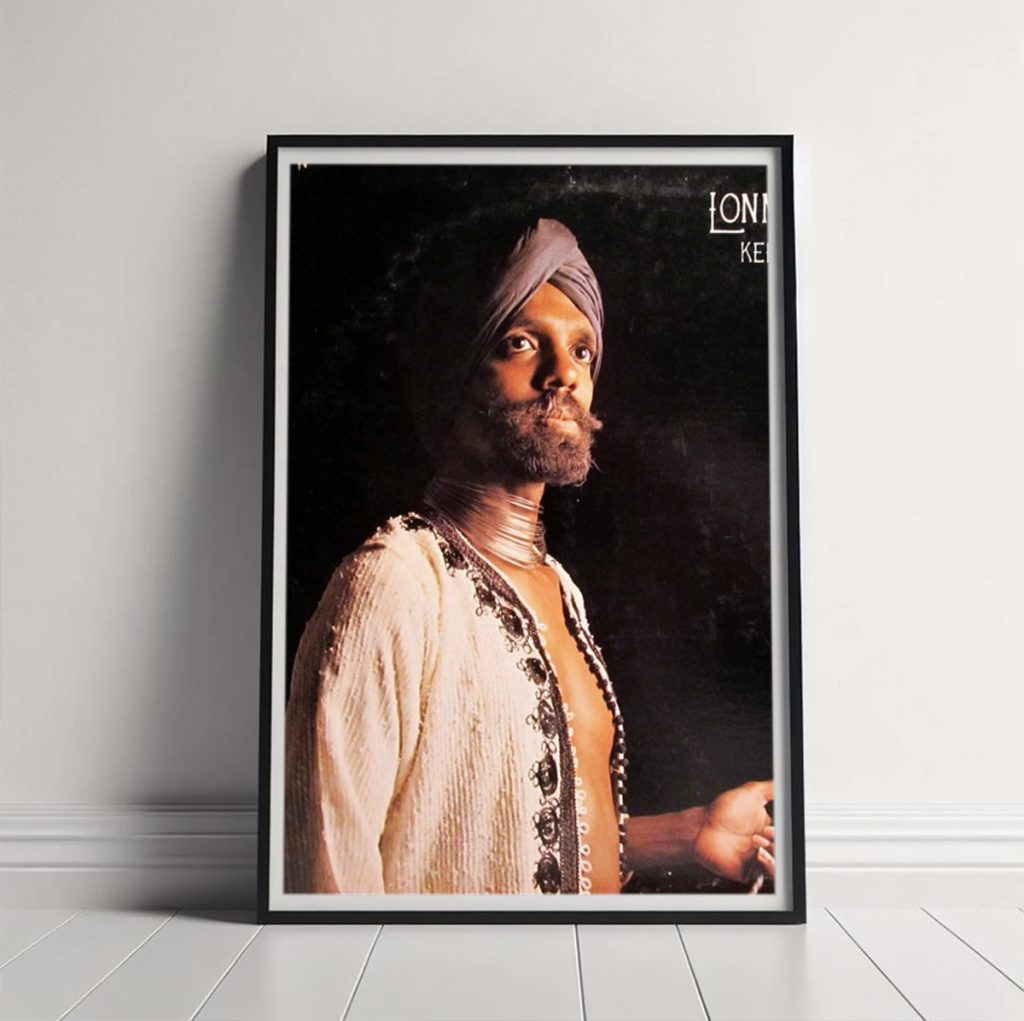
Dr. Lonnie Smith
Music Artist
About Dr. Lonnie Smith
Dr. Lonnie Smith: A Jazz Virtuoso Rooted in Buffalo
Born on July 3, 1942, in the vibrant city of Buffalo, NY, Dr. Lonnie Smith was a self-taught genius who became one of the most pioneering jazz organists in music history. Known for his soulful grooves, electrifying performances, and mastery of the Hammond B-3 organ, Smith’s career spanned decades and left an indelible mark on the jazz world. At the heart of his story is the influence of his Buffalo upbringing, which nurtured his artistry and prepared him for a life of musical exploration.
Early Days in Buffalo
Dr. Lonnie Smith’s connection to Buffalo ran deep, as he grew up immersed in the city’s rich cultural and musical heritage. During the post-War years, Buffalo was a thriving hub for jazz and R&B. Clubs in Buffalo’s bustling neighborhoods surged with live performances, providing a fertile ground for a budding musician like Smith.
Early in life, Smith showed an innate ability for music. Born into a family that encouraged creativity and expression, he surrounded himself with the sounds of gospel, blues, and jazz, all of which resonated deeply with him. Though his family didn’t own a piano, Smith’s love for music persisted. He credited his mother, who always encouraged his passion, as one of his greatest inspirations.
Buffalo’s musical scene offered him exposure to legendary jazz and R&B acts. It was here that Smith began refining his ear, crafting his unique style, and cementing the foundational skills that would one day make him an icon.
Finding the Hammond B-3
One of the defining moments in Smith’s early career came when he discovered the Hammond B-3 organ. Unlike traditional pianists, Smith embraced the B-3 as his singular tool of expression. Its dynamic range and rich tones provided him with an unmatched canvas for improvisation, allowing him to merge the church-like resonance of gospel with the improvisational freedom of jazz.
Smith gained his first significant attention in Buffalo, where he quickly became a standout figure in the local music scene. His ability to make the organ “sing” captured the imagination of audiences and peers alike, leading to opportunities that would expand his career far beyond his beloved hometown.
The Rise of a Jazz Legend
Dr. Lonnie Smith’s breakout moment came after making the move from Buffalo to New York City in the 1960s, a time when the jazz scene was thriving. He got his start collaborating with the legendary George Benson, joining Benson’s early quartet and recording on the iconic “It’s Uptown” (1966) and “The George Benson Cookbook” (1967) albums. These sessions placed Smith on the radar of the jazz world, showcasing his ability to lay down intoxicating grooves while weaving intricate melodies through the organ.
His association with Benson opened doors to label deals and solo projects. Smith released his first album as a bandleader, “Finger Lickin’ Good”, in 1967. However, it was his tenure with the prestigious Blue Note Records that solidified his position as one of jazz’s most innovative voices. Albums such as “Think!” (1968), “Turning Point” (1969), and “Drives” (1970) demonstrated his brilliant fusion of soul jazz, funk, blues, and gospel—a style that captured the zeitgeist of the late 1960s and early 1970s.
The Buffalo Spirit in His Music
Despite achieving international success, Dr. Lonnie Smith always carried his Buffalo roots with him. Much of his sound reflected the ethos of the city—a blend of hard-working resilience and deep emotionality. The gospel-influenced harmonies and gritty blues lines he infused in his music spoke to the spirit of Buffalo, a city known for its industrial durability and artistic soul.
Buffalo’s diverse cultures may have inspired Smith’s openness to genre-blending. While remaining rooted in jazz, Smith incorporated the grooves of R&B, the rhythms of funk, and the warmth of gospel into his music, creating a sound uniquely his own.
Achievements and Legacy
Over the course of his illustrious career, Dr. Lonnie Smith released over 30 albums as both a leader and collaborator. Some of his most notable works include “Move Your Hand” (1970), “Live at Club Mozambique” (1970), and “Afro-Desia” (1975). He is also celebrated for his distinctive performances on hits like “Son of Ice Bag” and the groovy organ-driven single “Spinning Wheel”.
Smith’s influence extended beyond recorded albums. His live performances were legendary for their boundless energy and deep connection with audiences. Whether performing on the international stage or returning to local events, Smith played with a passion that felt both personal and universal.
Smith’s contributions didn’t go unrecognized. He earned countless accolades, including induction into the Buffalo Music Hall of Fame. He was also awarded the NEA Jazz Masters Fellowship in 2017—one of the highest honors in the jazz world.
The Doctor of Groove
Beyond his musical achievements, Smith was known for his warm personality, sharp wit, and unique sense of style. His iconic turbans and flowing robes added to his mystique, presenting him as a figure almost as soulful as his music. Nicknamed the “Doctor of Groove,” Smith brought joy and creativity to every space he entered.
Smith maintained that faith and spirituality were guiding principles in his life, which he often expressed through his music. His compositions were celebrations of life itself—bold, dynamic, and deeply human.
A Lasting Buffalo Legacy
Dr. Lonnie Smith passed away on September 28, 2021, leaving a legacy that continues to inspire. For Buffalo, his life stood as proof that the city’s unassuming resilience and vibrant culture could produce a global force in music.
Smith’s contributions to the jazz world remain immortal, carried on through the countless musicians he influenced and the joy his recordings bring to listeners worldwide. For Buffalo, he will always be a hometown hero, a musical force who showed that greatness can be born on the streets of this steadfast city.
Dr. Lonnie Smith’s story is a reminder that passion and persistence can take you far, yet you never truly lose the place that nurtured your spirit. Buffalo was Smith’s starting point—and its indelible mark on his artistry reverberates, organ chord by organ chord, into the world.