
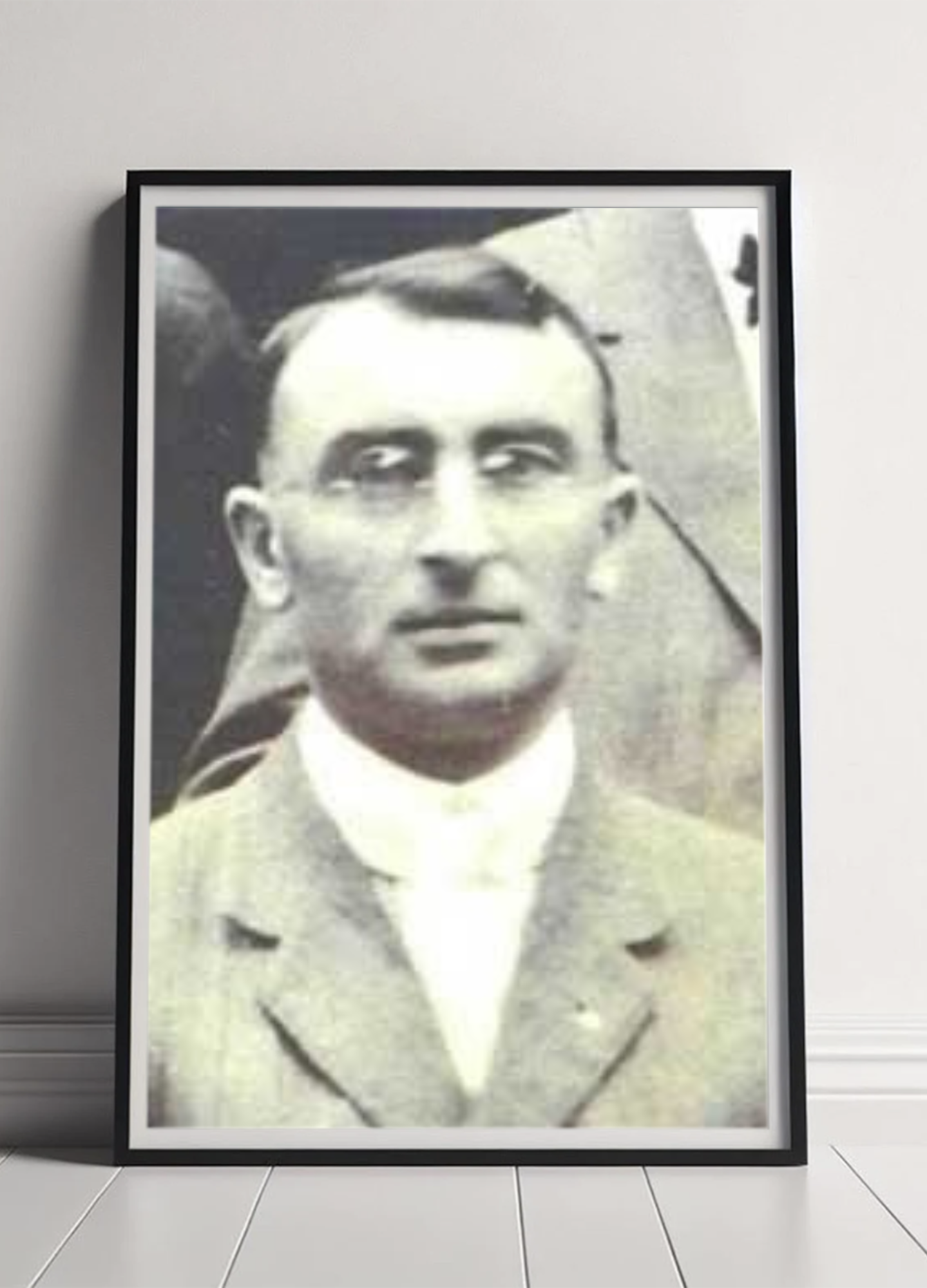
Duane Lyman
Engineer & Inventor
About Duane Lyman
Duane Lyman was a prominent American architect best known for shaping much of the architectural landscape of Buffalo, New York, during the 20th century. Born in 1886, Lyman was raised and educated in Buffalo, and he remained closely tied to the city throughout his life. After studying architecture at Yale University and furthering his training in Europe, he returned to Buffalo, where he became one of the region’s most respected architects.
Lyman’s work can be seen across Western New York, including residential homes, churches, schools, and major institutional buildings. He earned the nickname “Dean of Western New York Architects” because of his long and influential career. Some of his most notable designs in Buffalo include the Buffalo Seminary, Daemen College’s Rosary Hall, and various buildings at the University at Buffalo and Canisius College. He was known for blending traditional architectural styles with modern needs, creating elegant, functional structures that still stand today.
Duane Lyman’s deep connection to Buffalo is reflected not only in the sheer number of buildings he designed in the area but also in his commitment to enhancing the city’s cultural and architectural identity. His legacy lives on through the lasting beauty and utility of his work, which continues to define parts of Buffalo’s historic and educational institutions.
Architectural Contributions
- Educational Institutions:
Lyman designed several buildings for local colleges and schools, including:- Rosary Hall at Daemen College
- Buildings at the University at Buffalo (UB) and Canisius College
- Work for the Buffalo Seminary, an all-girls private school
- Religious Buildings:
He designed churches and religious institutions with timeless, classical influences, contributing to the spiritual and architectural fabric of the region. - Residential Architecture:
Lyman was especially well-known for designing high-end private residences in Buffalo’s most affluent neighborhoods, such as Delaware Avenue and Elmwood Village. His homes were often large, classically styled, and beautifully detailed—many of which are still standing and considered architectural gems. - Commercial and Civic Buildings:
- Saturn Club (Buffalo): A private social club with a striking Tudor Revival design
- Renovations and expansions for various city landmarks, often blending new construction with Buffalo’s historic architectural character
- Style and Influence:
Lyman was versatile in his designs, working in styles such as Georgian Revival, Tudor Revival, and Colonial Revival, while also embracing some modernist principles later in his career. He was known for his attention to proportion, material quality, and contextual harmony.
Creating Cultural Identity
Duane Lyman played a significant role in shaping the cultural identity of Buffalo through his architecture, which reflected the city’s values, traditions, and aspirations during the 20th century. As one of the most prolific architects in Western New York, Lyman designed many of Buffalo’s most iconic homes, churches, and institutional buildings, giving the city a sense of elegance and continuity. His work for prominent families along Delaware Avenue reinforced Buffalo’s image as a city of wealth, culture, and refinement, while his designs for schools, colleges, and churches helped shape the city’s civic and educational landscape. By blending traditional architectural styles with modern needs, Lyman preserved a sense of historical identity even as Buffalo evolved. His buildings became familiar landmarks that gave residents a feeling of pride and belonging. Today, many of his works still stand as testaments to Buffalo’s rich architectural heritage, contributing to its reputation as a city with deep cultural and historical roots. Through his timeless designs and deep connection to the community, Lyman helped define the character and identity of Buffalo for generations.
Legacy
Duane Lyman’s legacy lies in the lasting impact he had on the architectural and cultural fabric of Buffalo, New York. Known as the “Dean of Western New York Architects,” he left behind a portfolio of work that helped define the city’s visual and civic identity throughout much of the 20th century. His designs, which ranged from stately private residences to enduring educational and religious institutions, demonstrated a commitment to elegance, craftsmanship, and contextual harmony. Lyman’s ability to blend classical architectural styles with functional modern needs helped preserve Buffalo’s historical character while supporting its growth and transformation. Many of his buildings are still in use today and are considered local landmarks, serving as physical reminders of a time when Buffalo was emerging as a center of culture and affluence. His influence continues to be felt in the city’s streetscapes, neighborhoods, and institutions, making Duane Lyman not just an architect of buildings, but an architect of Buffalo’s identity and legacy.