Iconic Architecture That Shaped the City
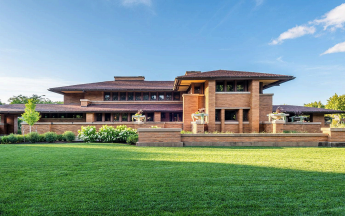
Darwin D. Martin House (Frank Lloyd Wright, 1903–1905)
Designed by Frank Lloyd Wright, the Darwin D. Martin House is one of the most important examples of Prairie School architecture in the country. Built between 1903 and 1905, the complex reflects Wright’s vision of open spaces, strong horizontal lines, and harmony with nature. It is widely considered one of his greatest residential works and helped place Buffalo on the global architectural map.
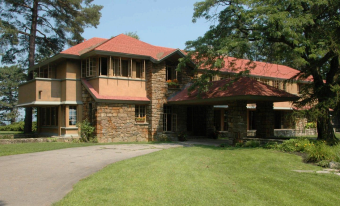
Graycliff Estate (Frank Lloyd Wright, 1926–1931)
Graycliff was designed by Frank Lloyd Wright as a summer home overlooking Lake Erie and built between 1926 and 1931. Unlike his earlier Prairie homes, Graycliff emphasizes light, water, and expansive views, blending the structure into its natural surroundings. It represents Wright’s transition toward more modern and organic design principles.
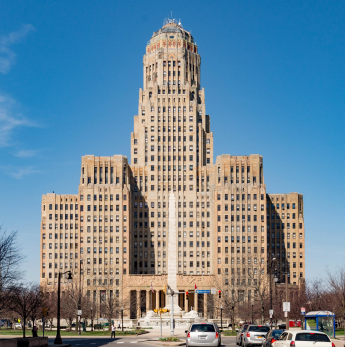
Buffalo City Hall (Dietel, Wade & Jones, 1929–1931)
Completed in 1931, Buffalo City Hall is a striking example of Art Deco architecture. Designed by architects Dietel, Wade & Jones, the building symbolizes Buffalo’s confidence and growth during the early 20th century. Its decorative reliefs and towering form celebrate industry, progress, and civic pride.
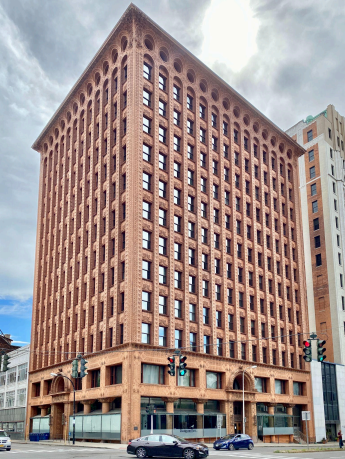
Guaranty Building (Louis Sullivan, 1895–1896)
Designed by Louis Sullivan and completed in 1896, the Guaranty Building is one of the world’s earliest skyscrapers. Often called the “father of modern architecture,” Sullivan used steel-frame construction and ornate terracotta detailing to prove that tall buildings could be both functional and beautiful. The building helped define Buffalo as a leader in early modern design.
Richardson Olmsted Campus (H. H. Richardson, 1870–1872)
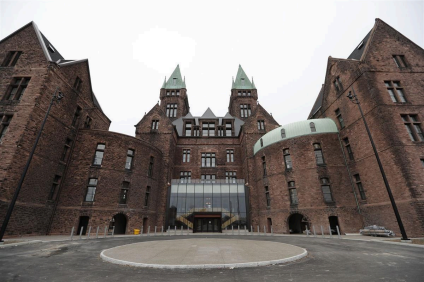
Designed by Henry Hobson Richardson and completed in 1872, the Richardson Olmsted Campus is a landmark of Romanesque Revival architecture. Its massive stone walls, towers, and rounded arches introduced a bold new architectural style to America.
Today, it remains one of Buffalo’s most historically and architecturally significant complexes.