
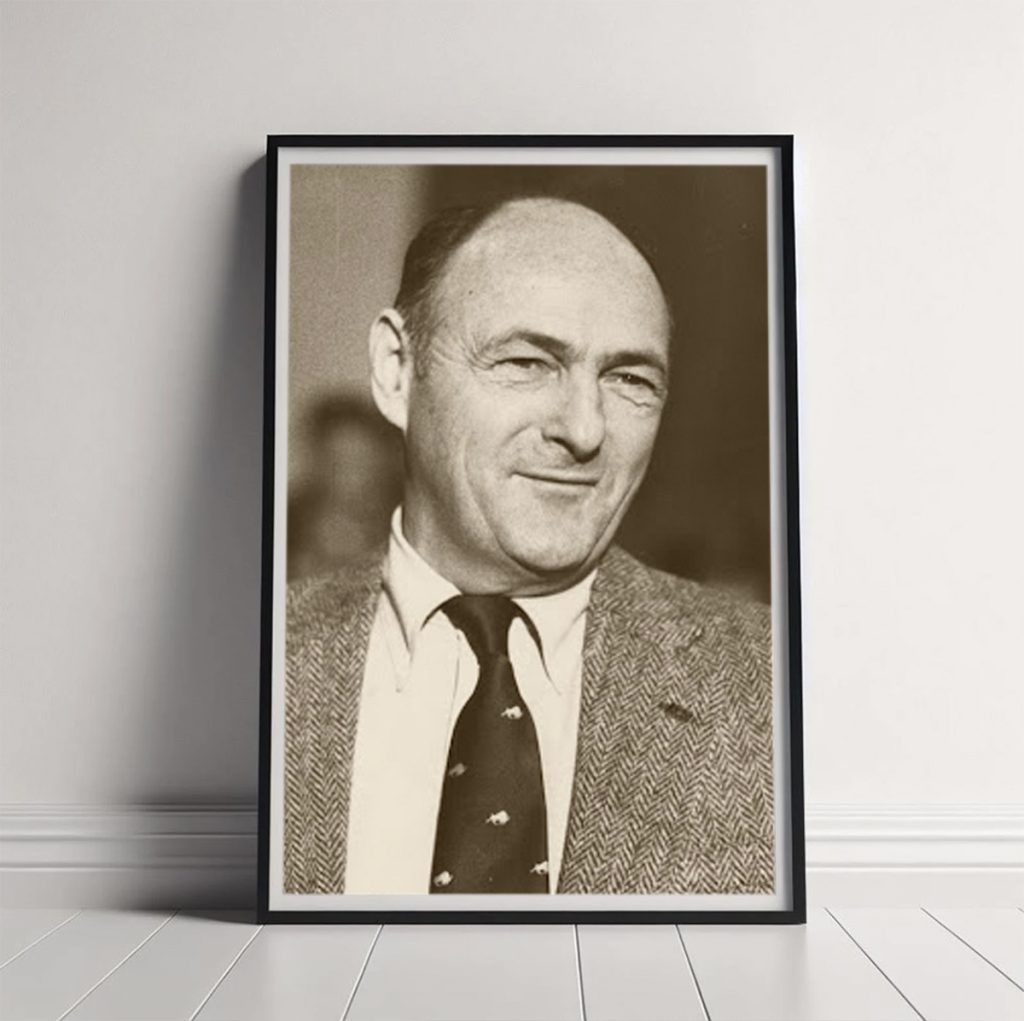
James D. Griffin
60th Mayor of Buffalo
About James D. Griffin
James D. Griffin: Buffalo’s Unyielding Mayor
Born on June 29, 1929, in Buffalo, NY, James D. Griffin became a towering figure in Buffalo’s history, serving as mayor during a critical period of the city’s transformation. Known for his larger-than-life personality, fiercely independent spirit, and unrelenting dedication to his hometown, Griffin left an indelible mark on Buffalo’s political landscape. From his early years growing up in the Queen City to his notable achievements as a leader, Griffin’s story is one of staunch perseverance and unwavering loyalty to his roots.
Growing Up in Buffalo
James D. Griffin’s life began in a city bustling with industry and optimism. Buffalo in the 1930s was a vibrant hub for manufacturing and commerce, a place where hard work and community were deeply valued. Raised in a working-class household, Griffin’s upbringing was steeped in the kind of resilience that comes from navigating life during the Great Depression.
The strong work ethic and no-nonsense practicality that characterized Buffalo’s neighborhoods likely shaped Griffin’s approach to life and politics. His formative years in the city’s close-knit communities gave him an understanding of the challenges everyday Buffalonians faced, a perspective that would guide his political career.
After attending local schools, Griffin furthered his education at Canisius College, a Jesuit institution in Buffalo, where he developed the foundation for his civic-minded values and public service aspirations.
A Career in Politics
James D. Griffin’s political career began in earnest when he was elected to the New York State Senate in 1966. Representing Buffalo, Griffin quickly earned a reputation for being outspoken and independent, often diverging from party lines to advocate for what he believed was in the best interest of his constituents.
However, it was his tenure as Buffalo’s mayor—serving from 1978 to 1994—that defined his legacy. Griffin’s time as mayor was during a challenging era for the city. Buffalo faced economic decline as manufacturing jobs disappeared and population numbers dwindled. Despite these challenges, Griffin became a symbol of hope, fighting fiercely to revive Buffalo’s fortunes.
The Buffalo Blizzard and “Stay Inside, Grab a Six-Pack”
One of Griffin’s most famous moments came during the infamous Blizzard of 1985. With the city buried under several feet of snow and frigid winds howling, Griffin urged residents to “stay inside, grab a six-pack, and watch a good football game.” The remark, delivered in his characteristic blunt style, became symbolic of Griffin’s relatable connection to the public.
Though the line was playful, it reflected a deeper truth about Griffin’s leadership style—practical, direct, and deeply connected to the people of Buffalo. He knew how to communicate with his constituents in a way that felt authentic and grounded, qualities that endeared him to the community during some of the city’s most trying times.
Accomplishments and Challenges
Griffin’s administration worked hard to modernize infrastructure, revitalize neighborhoods, and boost Buffalo’s struggling economy. His efforts to preserve the city’s essence often placed him in direct conflicts with challenges presented by state officials and private developers. As an independent politician, Griffin fiercely championed local control and often resisted outside influences—even as he sought creative ways to bring investments and jobs to the city.
One of his focuses as mayor was promoting Buffalo’s cultural assets. Griffin passionately supported the arts scene and the city’s historic architecture, knowing that Buffalo’s identity was deeply tied to these areas.
However, Griffin’s leadership wasn’t without controversy. His bluntness and stubbornness frequently led to clashes with other politicians and community leaders. Critics often questioned his resistance to large-scale economic restructuring, though his supporters viewed his approach as one that prioritized preserving Buffalo’s heritage over risky ventures.
Griffin’s Lasting Legacy
James D. Griffin stepped down in 1994, leaving behind a city that, while still navigating economic difficulty, had retained its heart and identity. Griffin’s impact on Buffalo extended beyond economic numbers—he left a cultural and civic legacy that emphasized pride in the city. His leadership during tough times left Buffalonians with confidence in their city’s potential to weather storms, whether literal or metaphorical.
To this day, Griffin is remembered as the “People’s Mayor.” Whether it was attending community events, chatting with residents on neighborhood streets, or providing straightforward answers to tough questions, Griffin embodied the spirit of Buffalo’s working-class roots.
A Personal Look at Griffin
Beyond politics, James D. Griffin was first and foremost a family man. Despite his demanding career, he always made time for his loved ones and kept his ties to Buffalo’s local institutions. Griffin was a devout Catholic and often pointed to his faith as a grounding force in his life.
He was also a passionate sports enthusiast, particularly when it came to the Buffalo Bills and the Buffalo Sabres. His love of the city’s sports teams further reinforced his connection to the everyday experiences of residents, making him one of the most relatable figures in Buffalo politics.
A Hometown Hero
James D. Griffin’s story is quintessentially Buffalo. Born and raised in the city, his life reflected the same grit, determination, and loyalty that characterize so many who call Buffalo home. From his early days in the neighborhoods of Buffalo to his time as mayor, Griffin carried the city in his heart, always working to create a better future for its people.
Through snowstorms, economic challenges, and changing times, Griffin stood as a steadfast leader who never wavered in his belief in Buffalo’s resilience. His legacy endures as a reminder that even in the toughest moments, the spirit of a city—and its people—can prevail.