
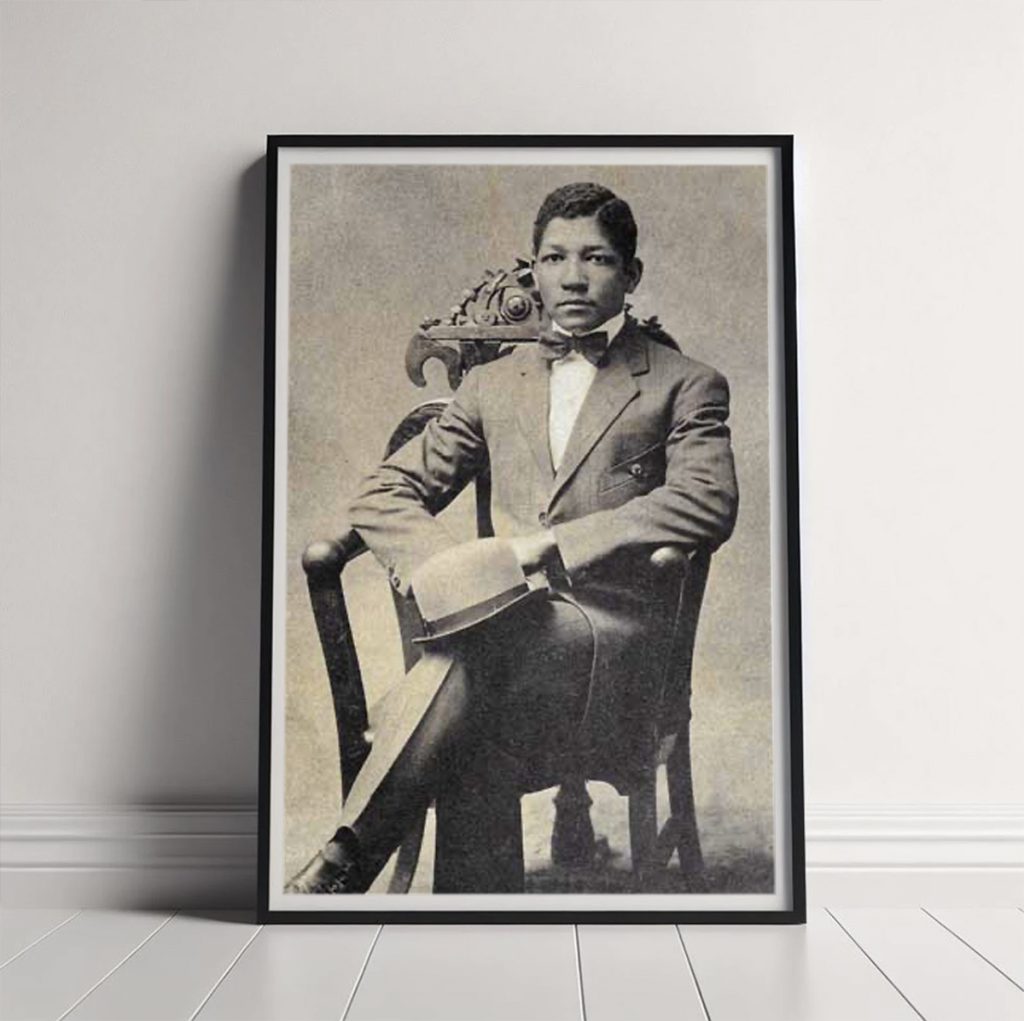
John E. Brent
Architect
About John E. Brent
John E. Brent: Buffalo’s Trailblazing African American Architect
Buffalo, New York, has a rich history of innovation and progress, much of which can be attributed to the contributions of visionary figures like John E. Brent. Born on August 8, 1889, Brent holds a special place in the city’s history as one of the first African American architects in the region, leaving behind a legacy of architectural brilliance and social impact. His work not only shaped Buffalo’s skyline but also paved the way for future generations of architects and designers to follow in his bold footsteps.
Early Life and Aspirations
John Edward Brent was born in Washington, D.C., into a family that valued education, creativity, and the power of community. His father, Daniel Brent, was a skilled artisan who contributed to the construction of the Library of Congress, instilling in John a passion for craftsmanship and design. This foundation drove young Brent to pursue architecture—a bold and trailblazing choice for an African American man during an era when racial barriers loomed large in professional fields.
Brent attended the Tuskegee Institute, where he studied architectural drafting under the legendary Booker T. Washington. Later, he earned a degree in architecture from the Drexel Institute in Philadelphia, one of the few institutions at the time that accepted African American students. Armed with education, talent, and determination, Brent ventured to Buffalo, where he would make his mark as both an architect and a community leader.
Transforming Buffalo’s Architectural Landscape
When John E. Brent arrived in Buffalo, he quickly set about establishing his reputation as a skilled architect. One of his earliest and most notable contributions to the city came with his work on the Buffalo Zoo. Brent designed the entrance gates, which remain a striking and enduring feature of the grounds. The gates, crafted in 1935 in the Art Deco style, are a testament to Brent’s keen eye for detail and ability to blend form with function.
Brent’s career extended beyond individual buildings—he took part in civic projects that prioritized the well-being of Buffalo’s communities. His architectural designs often incorporated modernist aesthetics while remaining accessible to the public. Despite the racial prejudices he faced during his career, Brent’s talent spoke volumes, and his designs became part of Buffalo’s visual and cultural identity.
Advocacy and Mentorship
Brent’s influence went beyond the drafting table—he was deeply committed to advocating for racial equality and creating opportunities for others. He was known for mentoring young African American professionals in Buffalo, helping to inspire the next generation of architects and builders.
Brent also played an active role in organizations like the Michigan Street Baptist Church and the National Association for the Advancement of Colored People (NAACP), where he worked tirelessly to uplift Buffalo’s African American community. He believed that architecture wasn’t just about buildings—it was about creating spaces that fostered community, dignity, and progress.
Anecdotes and Lesser-Known Facts
While John E. Brent’s body of work speaks volumes, his career wasn’t without challenges. He often had to contend with systemic racism and the exclusionary practices of the architectural industry. Despite these hardships, Brent remained steadfast, letting his work do the talking.
One lesser-known fact about Brent is his artistic talent extended beyond architecture—he was also an accomplished landscaper and an advocate for beautifying urban spaces. In addition to his architectural contributions, Brent designed numerous landscapes and gardens, demonstrating a holistic vision for how communities could thrive in well-designed spaces.
Another fascinating element of Brent’s life was his role as a historian and preserver of African American culture. He often recorded and celebrated the rich heritage of Buffalo’s African American residents, understanding the importance of storytelling in shaping a community’s identity.
John E. Brent’s Enduring Legacy
John E. Brent’s story is as much about architecture as it is about resilience, ingenuity, and the pursuit of excellence in the face of adversity. His legacy can still be felt throughout Buffalo, from the iconic gates of the Buffalo Zoo to the lives he touched through mentorship and advocacy.
Buffalo played an integral role in Brent’s success. Its burgeoning economy and cultural vibrancy provided the canvas for his visionary work, while its challenges fueled his drive to break barriers and make a lasting impact. Brent, in turn, became a symbol of what Buffalo stands for—hard work, creative innovation, and the ability to overcome obstacles.
While Brent passed away in 1962, his contributions remain a source of pride for Buffalo and the architectural field as a whole. He laid the groundwork for greater diversity and inclusion within architecture, and his designs continue to inspire architects and citizens alike.
On August 8, John E. Brent’s birthday, we remember a man who didn’t just build structures—he built opportunities, empowered communities, and etched his legacy into the very fabric of Buffalo’s history. His life reminds us that creativity and courage can break barriers, inspiring a future where everyone’s contributions are recognized and celebrated.