
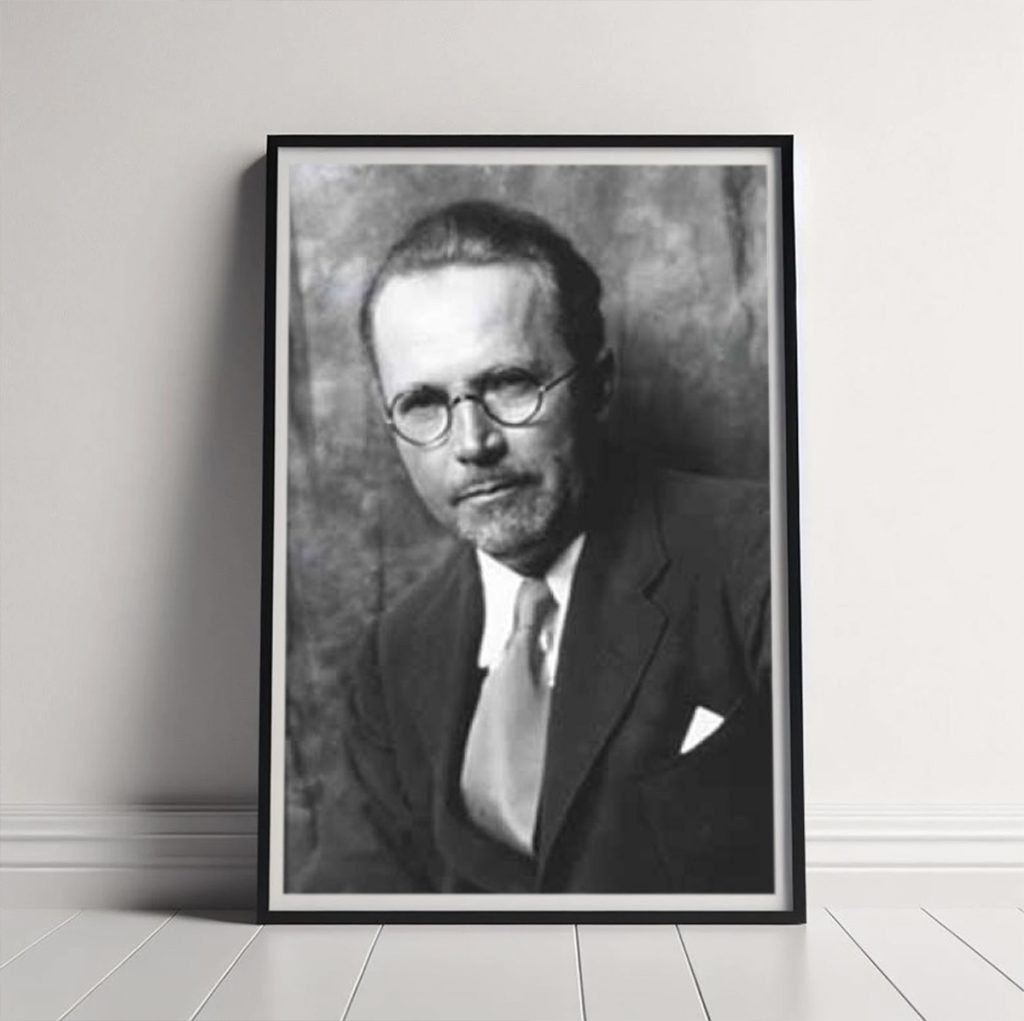
John F. Carlson
painter
About John F. Carlson
John F. Carlson: A Master of Impressionism with Buffalo Roots
Buffalo, NY, a city rich in culture and creativity, played a significant role in shaping the life of one of America’s most celebrated landscape painters, John F. Carlson. Born on May 5, 1875, in Småland, Sweden, Carlson immigrated to the United States with his family in 1884, eventually settling in Buffalo. His humble beginnings and formative experiences in this city laid the foundation for a career that would cement his legacy in American Impressionism.
Early Life and Artistic Beginnings in Buffalo
Carlson’s family made their home in Buffalo when he was just nine years old. Though his life began far across the Atlantic in Sweden, Buffalo became the backdrop for his artistic discovery. Carlson’s interest in art blossomed during his formative years in the city. He attended evening classes at the Art Students League of Buffalo, where he studied under notable instructors like Lucius Wolcott Hitchcock.
Hitchcock, a former student of the Académie Colarossi in Paris, imparted pivotal lessons that connected Carlson to the broader traditions of European art while nurturing his distinctive American style. These classes did more than teach Carlson technique—they nurtured his vibrant imagination and inspired a lifelong passion for painting, particularly landscapes.
The Journey to Artistic Greatness
Carlson’s immense talent and dedication won him a scholarship in the early 1900s to study with prominent landscape artist Lovell Birge Harrison at the Byrdcliffe Colony in Woodstock, New York. Here, he began to refine his approach, learning to capture the subtle interplay between light, shadow, and texture—a hallmark of Impressionist painting.
By 1905, Carlson’s work was being exhibited in major art shows, including the prestigious annual exhibition of the Art Institute of Chicago. His landscapes, often focused on winter scenes, revealed his deep appreciation for nature and his ability to evoke emotion through subtle, poetic brushstrokes. Carlson’s art became synonymous with tranquility and the beauty of the natural world.
His career blossomed further when he was appointed to the Woodstock School of Landscape Painting as assistant director in 1908, later becoming the director. The school was a hub for American Impressionist painters, and Carlson used his role to mentor countless young artists, passing on his techniques and philosophy.
Awards and Recognitions
Carlson’s talent and contribution to the art world did not go unnoticed. He earned several prestigious awards throughout his career, including honors at the Swedish-American Exhibition in Chicago and the Caribbean Prize and Altman First Prize by the National Academy of Design.
One of his most enduring accomplishments was publishing the instructional book Elementary Principles of Landscape Painting in 1928. Known today as Carlson’s Guide to Landscape Painting, the book became a seminal text for aspiring artists and remains a valuable resource for understanding the fundamentals of Impressionist landscape art.
Founding the John F. Carlson School of Landscape Painting
Carlson’s commitment to sharing art with the world extended beyond his paintings. He founded the John F. Carlson School of Landscape Painting in Woodstock in 1922. The school became a beacon for students drawn to Carlson’s philosophy of capturing nature’s subtle beauty through observation and experimentation.
The school’s establishment further solidified Carlson’s influence, as he created a community dedicated to developing and celebrating American Impressionism. It also highlighted his ability to inspire others, not only through his art but also through his teaching.
A Lasting Legacy in Buffalo and the Art World
Though Carlson’s artistic career took him across the United States and beyond, his roots in Buffalo remained a lasting part of his story. It was in Buffalo that he took his first steps as an artist, and it was here that he found a creative spark that would ignite a lifetime of artistic achievement.
Carlson’s impact on the art world endures to this day. His masterpieces, characterized by their soft yet vibrant depiction of light and atmosphere, continue to captivate art enthusiasts around the globe. His instructional writings and teaching legacy have shaped generations of artists, while his work as a pioneer of American Impressionism ensures his place in art history.
Buffalo, proud of its cultural figures, can claim John F. Carlson as one of its own—a visionary whose art exemplifies the beauty of nature and the resilience of human creativity. His life remains an inspiring example of how a city like Buffalo can nurture talent capable of making an indelible mark on the world.