
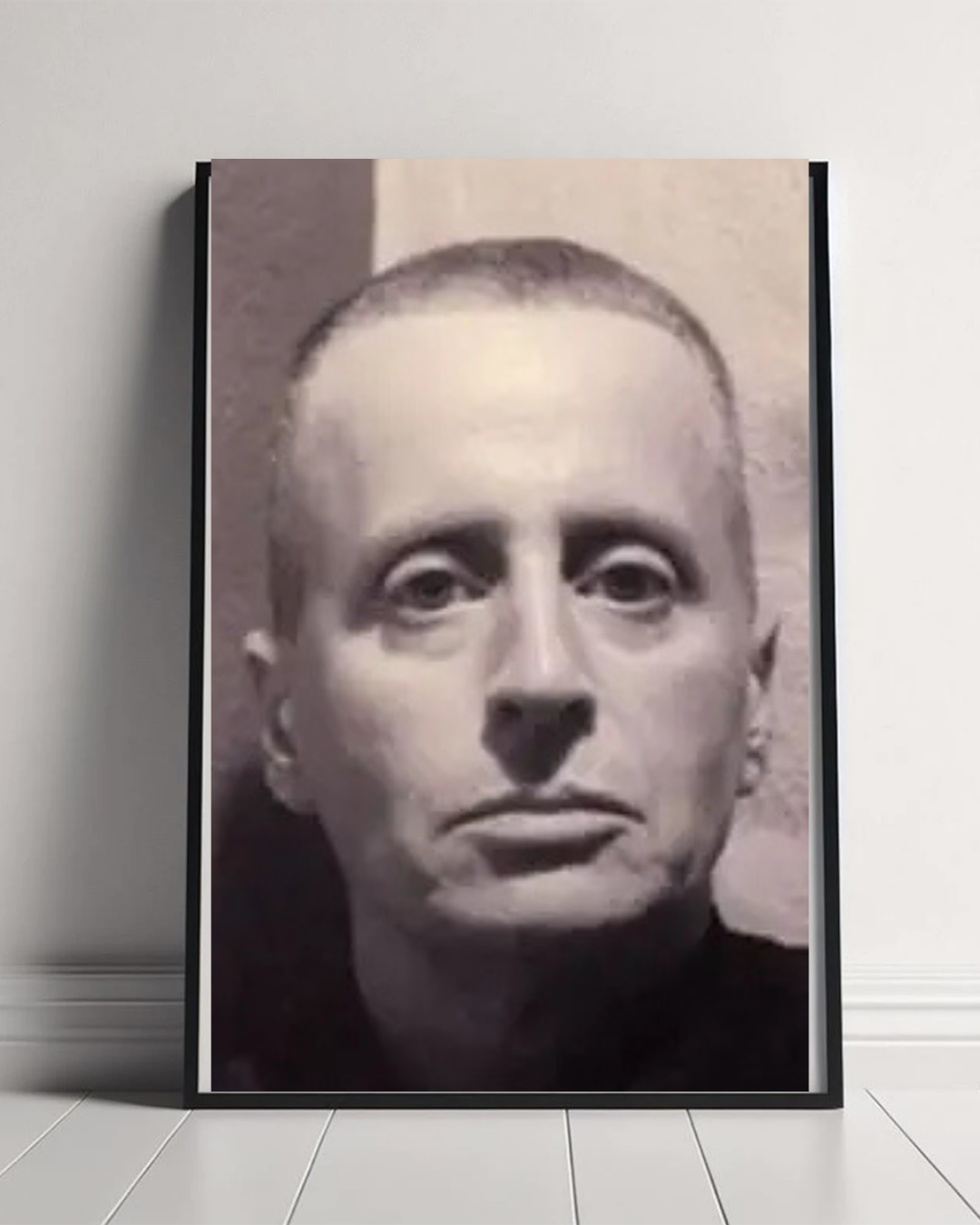
Leslie Feinberg
Activist
About Leslie Feinberg
Leslie Feinberg (1949–2014) was an American writer, activist, and one of the most influential early voices in the fight for transgender rights. Feinberg identified as a transgender lesbian and used both she/her and he/him pronouns, depending on context. Their life and work challenged rigid ideas about gender and helped shape the conversation around trans, nonbinary, and gender-nonconforming identities.
Stone Butch Blues
Stone Butch Blues is a semi-autobiographical novel written by Leslie Feinberg and first published in 1993. It is widely regarded as a landmark work in LGBTQ+ literature, particularly for its groundbreaking exploration of gender identity, class, and queer life in mid-20th century America.
The novel follows the life of Jess Goldberg, a working-class butch lesbian growing up in Buffalo, New York, during the 1950s and 1960s. Jess struggles with the harsh realities of being visibly gender-nonconforming in a deeply homophobic and transphobic society. Rejected by family, brutalized by police, and alienated from mainstream culture, Jess finds community in underground lesbian bars—but even there, safety and acceptance are never guaranteed.
As the story progresses, Jess begins to explore the complexities of gender identity more deeply, including navigating hormone therapy and passing as male in order to survive. Through Jess’s journey, Feinberg examines the pain, strength, and resilience of those who live outside of traditional gender norms.
The novel is especially notable for giving voice to working-class queer and trans people, highlighting how gender, sexuality, class, and labor are deeply interconnected. It also captures the evolution of queer and trans communities through various decades, including the impact of the feminist and gay liberation movements—which often excluded or misunderstood butch and trans identities.
Feinberg called Stone Butch Blues a “political novel”, meant not just to tell a story, but to challenge oppression and promote solidarity. It remains a powerful and emotional narrative that continues to resonate with readers, activists, and scholars today.
Activism
Leslie Feinberg’s activism was deeply rooted in a lifelong commitment to social justice, with a particular focus on transgender rights, LGBTQ+ liberation, workers’ rights, and anti-racism. As a Marxist and member of the Workers World Party, Feinberg believed that all forms of oppression—whether based on gender, race, class, or sexuality—were interconnected, and fought tirelessly to build solidarity across movements.
Feinberg was one of the first activists to publicly articulate and fight for transgender rights in the U.S., during a time when transgender people were often excluded from both feminist and gay liberation spaces. Through powerful speeches, writings, and organizing, Feinberg challenged society’s rigid definitions of gender and advocated for recognition, healthcare access, workplace protections, and human dignity for trans and gender-nonconforming people.
Beyond gender issues, Feinberg was active in broader struggles for justice. They participated in movements supporting Black liberation, anti-imperialism, labor unions, and disability rights, always highlighting how systemic oppression impacts marginalized communities collectively. They were also a fierce critic of U.S. foreign policy and capitalism, viewing the fight for trans liberation as inseparable from the fight against economic and political exploitation.
Feinberg’s activism was not just theoretical—it was deeply personal and community-based. Whether organizing protests, publishing political essays, or mentoring younger activists, Feinberg made it clear that liberation had to be collective. Their work helped lay the foundation for today’s more inclusive LGBTQ+ and intersectional movements, making them a vital figure in the history of American activism.
Fight for Transgender Rights
Beyond literature, Feinberg was a vocal advocate for trans healthcare access, fighting against the stigma around hormone therapy and gender-affirming care. They also spoke out about the violence and discrimination trans people faced, from police brutality to workplace bias, urging for legal protections and societal change.
Feinberg was active in organizing protests, speaking at rallies, and participating in grassroots movements that demanded the inclusion of transgender people’s rights in civil rights and LGBTQ+ agendas. Their work helped challenge the rigid gender binaries and pushed for broader recognition of gender as a spectrum.
By centering the intersections of class, race, and gender oppression, Feinberg made clear that trans liberation was inseparable from broader struggles for economic and social justice. Their pioneering activism helped pave the way for today’s transgender rights movement, inspiring countless activists and changing public consciousness around gender identity.
Legacy
Leslie Feinberg’s legacy is profound and multifaceted, marking them as a groundbreaking figure in both transgender activism and LGBTQ+ literature. Feinberg’s courageous work helped bring transgender issues into public awareness at a time when many were still invisible or marginalized, breaking down barriers in social, political, and cultural spheres.
Through their writing—most notably the novel Stone Butch Blues—Feinberg gave voice to the lived experiences of transgender and gender-nonconforming people, especially those from working-class and marginalized communities. This work remains a touchstone for understanding the complexities of gender identity, oppression, and resilience. By sharing stories that were rarely told, Feinberg helped create empathy and fostered greater acceptance for diverse gender identities.