
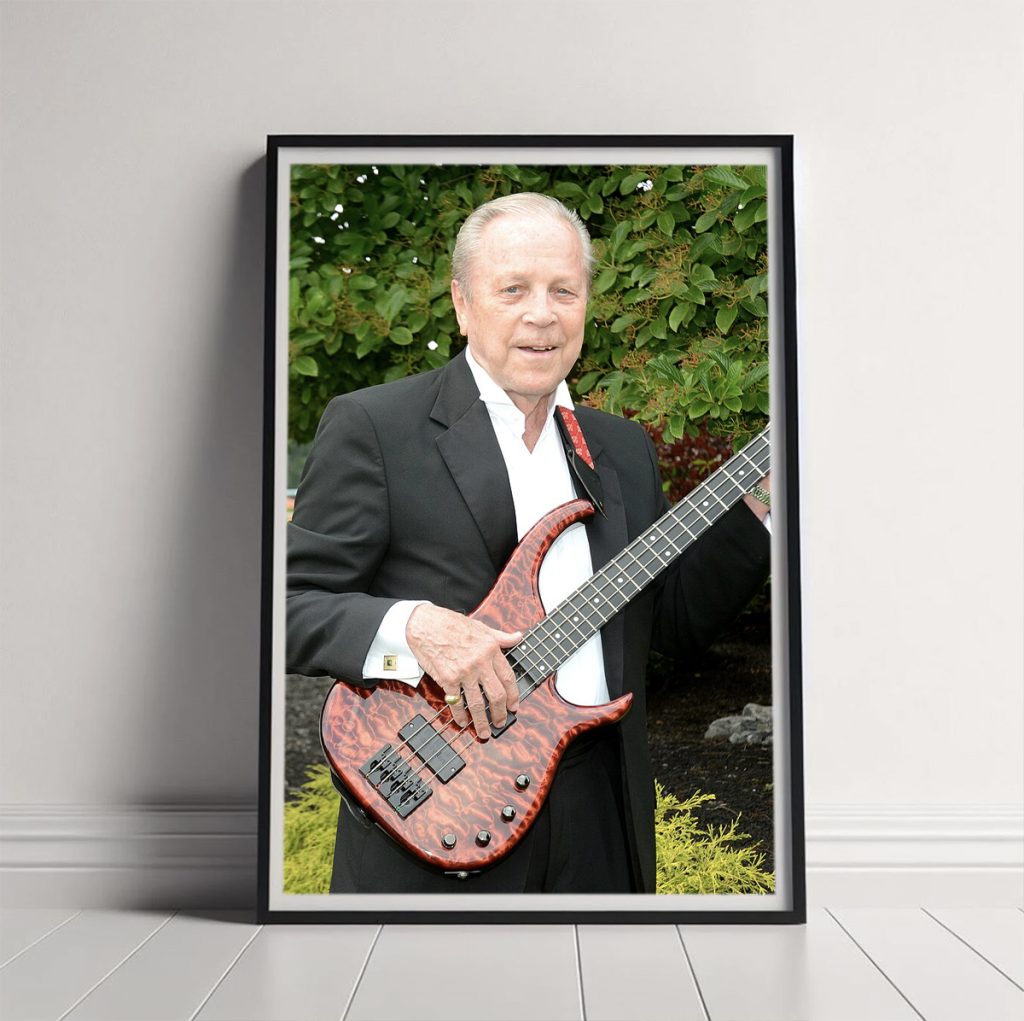
Ray Chamberlain
Music Artist
About Ray Chamberlain
Ray Chamberlain – Buffalo’s Jazz Luminary
Buffalo, NY, has always held a rich and diverse musical heritage, producing talent that has left an indelible mark on various genres. Among these is Ray Chamberlain, a highly respected jazz guitarist and bassist whose career spanned decades and touched the lives of fellow musicians and admirers alike. Born on March 6, 1930, in Buffalo, Chamberlain’s story is one of exceptional resilience, artistry, and devotion to his craft.
Early Life and Musical Beginnings
Raymond Alvin Chamberlain grew up in Buffalo, attending Lackawanna High School, where his early appreciation for music began to take shape. He graduated in 1947 and soon enlisted in the U.S. Army. While serving, Chamberlain joined the 1st Army Band as a trombone player, showcasing the versatility that would later define his career.
His early years were shaped not just by his innate talent but also by his ability to overcome physical challenges. After a childhood accident that injured two of his fingers, he switched from guitar to bass in 1970, proving his adaptability as a musician. Chamberlain’s dedication to perfecting his technique saw him studying with giants like Guy Bucella, Harry Volpe, Billy Bauer, and Howard Roberts—mentors who helped him develop into a formidable instrumentalist.
Career Highlights
Ray Chamberlain’s career is marked by collaborations with some of the most iconic names in music. He performed alongside jazz legends Stan Kenton and Don Menza, and entertainment juggernauts like Liberace, Jerry Lewis, and Connie Francis. His ability to seamlessly adapt to various styles of performance made him a sought-after accompanist, whether he was lending his strings to an intimate jazz club or a grand arena.
Chamberlain also played with celebrated figures in the entertainment world, such as Andy Williams, Paul Anka, and the trailblazing drummer Teddy Charles. These partnerships highlighted his exceptional musicianship and solidified his reputation as a reliable and talented player in the industry.
Notably, Chamberlain’s roots in Buffalo remained strong. He recorded live performances at The Renaissance, a jazz club in Buffalo, creating albums Renaissance I and Renaissance II in 1966. These recordings captured his skill and became part of the city’s proud jazz history.
Contributions to Jazz and Buffalo’s Music Scene
Ray Chamberlain’s influence extends far beyond his notable collaborations. Throughout his life, he was a dedicated ambassador for jazz music. He not only performed but also inspired future generations of Buffalo musicians through his mastery and love for the art form.
His induction into the Buffalo Music Hall of Fame in 2016 is a testament to his lasting contributions to the city’s cultural landscape. It recognizes both his exceptional skill as a performer and his role in elevating Buffalo’s place in the jazz world.
Beyond music, Chamberlain also worked in data processing management, demonstrating his multifaceted talents and work ethic. But it was through the power of music that he left his greatest legacy, one that continues to resonate.
A Lasting Legacy
Ray Chamberlain passed away on April 12, 2017, but his influence on the music community endures. His life story is an inspiring example of triumph over adversity, proving that passion and perseverance can overcome obstacles, even in the realm of physical limitations.
For Buffalo, Ray Chamberlain is more than a musician—he’s a symbol of the city’s vibrant and enduring ties to jazz. His music continues to inspire current and future musicians who are drawn to the genre’s complexities, improvisation, and limitless possibilities.
Chamberlain’s ability to connect with his audience, whether through lively basslines or soulful guitar melodies, is a reminder of the power of music to heal and connect. His recordings remain valuable to those who want to immerse themselves in the golden age of American jazz, reliving moments that can best be described as magical.
Through his remarkable career, Ray Chamberlain helped solidify Buffalo’s place as a hub for musical innovation. His life’s work is a testament to the power of art to transcend time, genre, and challenges, keeping his legacy alive in the hearts of jazz lovers everywhere.