
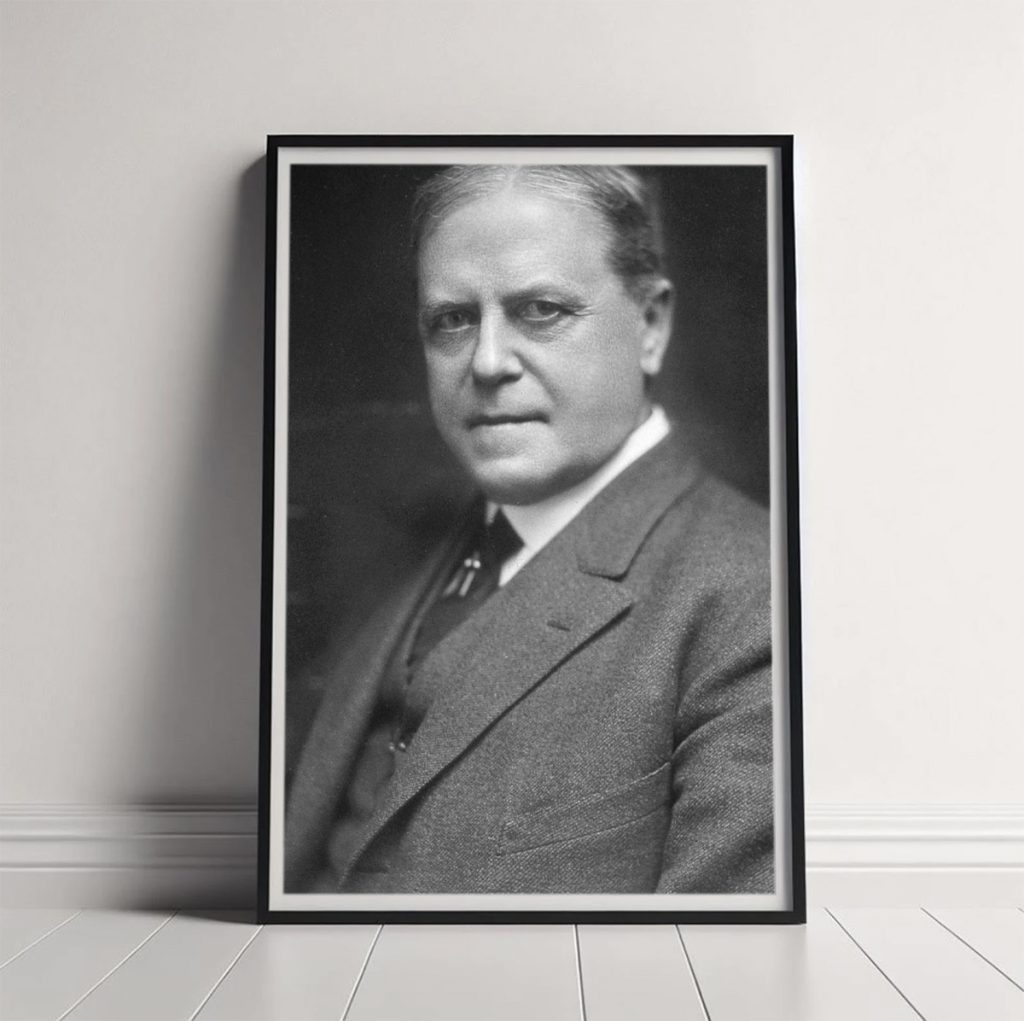
Roswell Park
American physician and cancer researcher
About Roswell Park
Roswell Park: The Visionary Who Made Buffalo a Center for Innovation
Buffalo, New York, has nurtured remarkable figures whose work impacted not just the city, but the world. Among them is Roswell Park, born on May 4, 1852, in Pomfret, Connecticut. Though perhaps lesser known outside the medical community, Park’s legacy reverberates through his groundbreaking contributions to cancer research and medicine. His name is synonymous with the institution he founded—the Roswell Park Comprehensive Cancer Center—a beacon of hope for patients and a symbol of Buffalo’s role in advancing scientific discovery.
A Surgeon with Vision
Roswell Park’s path to becoming a Buffalo legend began when he moved to the city in 1883. Already an accomplished physician, Park had earned his medical degree at Northwestern University and brought his expertise to Buffalo General Hospital and the University at Buffalo Medical School. While working as a surgeon, he began to see the need for a focused, collaborative attack on one of humanity’s most fearsome diseases—cancer.
Park was ahead of his time. At a time when research efforts were fragmented, he envisioned a dedicated center where experts from various scientific disciplines could collaborate. This idea culminated in the founding of what was initially called the Gratwick Research Laboratory, now known as the Roswell Park Comprehensive Cancer Center, in 1898. It was the first institution in the world devoted exclusively to cancer research.
Dr. Park believed firmly that cancer could be conquered only through rigorous, organized research. His forward-thinking approach set a model that has influenced cancer centers worldwide, and his efforts established Buffalo as a hub of medical innovation. Over time, the center expanded its scope to not only research cancer but provide advanced care for patients.
His Moment in Presidential History
Though Roswell Park is best known for his contributions to medicine, his name is also tied to a pivotal event in American history. During the 1901 Pan-American Exposition held in Buffalo, President William McKinley was tragically shot by an assassin. Park was urgently summoned to treat the president, but he initially could not leave the medical case he was already performing at Niagara Falls Memorial Hospital.
By the time Park arrived at the exposition hospital, another surgeon had operated on the president. Despite their best efforts, McKinley’s injuries proved fatal. Although he wasn’t ultimately able to intervene, Park’s dedication to his surgical responsibilities left an indelible mark on the story of McKinley’s assassination.
A Legacy Rooted in Hope and Progress
Roswell Park’s contributions to cancer research and treatment cannot be overstated. The institution he built thrives to this day, leading in areas of immunotherapy, diagnostics, and multidisciplinary care for cancer patients. Its commitment to treating each patient with a personal touch mirrors Park’s own philosophy as a physician.
Park’s influence extended far beyond Buffalo. The model he created for bringing together pathologists, chemists, biologists, and surgeons under one roof has inspired cancer centers worldwide. Today, the Roswell Park Comprehensive Cancer Center is recognized as one of the top institutions for cancer research and treatment, standing as a testament to Park’s groundbreaking vision.
Why Roswell Park Matters to Buffalo
To Buffalonians, Roswell Park represents more than state-of-the-art cancer care. His life is a reminder of Buffalo’s pioneering spirit—its history of fostering innovation and supporting bold ideas. His relentless pursuit of progress transformed Buffalo into a hub for life-saving research, firmly rooting the city in the annals of medical advancement.
When you consider how many lives have been impacted by the work launched at Roswell Park Comprehensive Cancer Center, it’s clear that his dream went far beyond the boundaries of Buffalo or his own lifetime. Roswell Park’s legacy is one of hope, discovery, and the enduring power of one individual’s vision to change the course of history.
Buffalo proudly claims Roswell Park as one of its greatest icons—a man whose contributions continue to shine as a beacon of innovation and compassion over a century after his passing.