
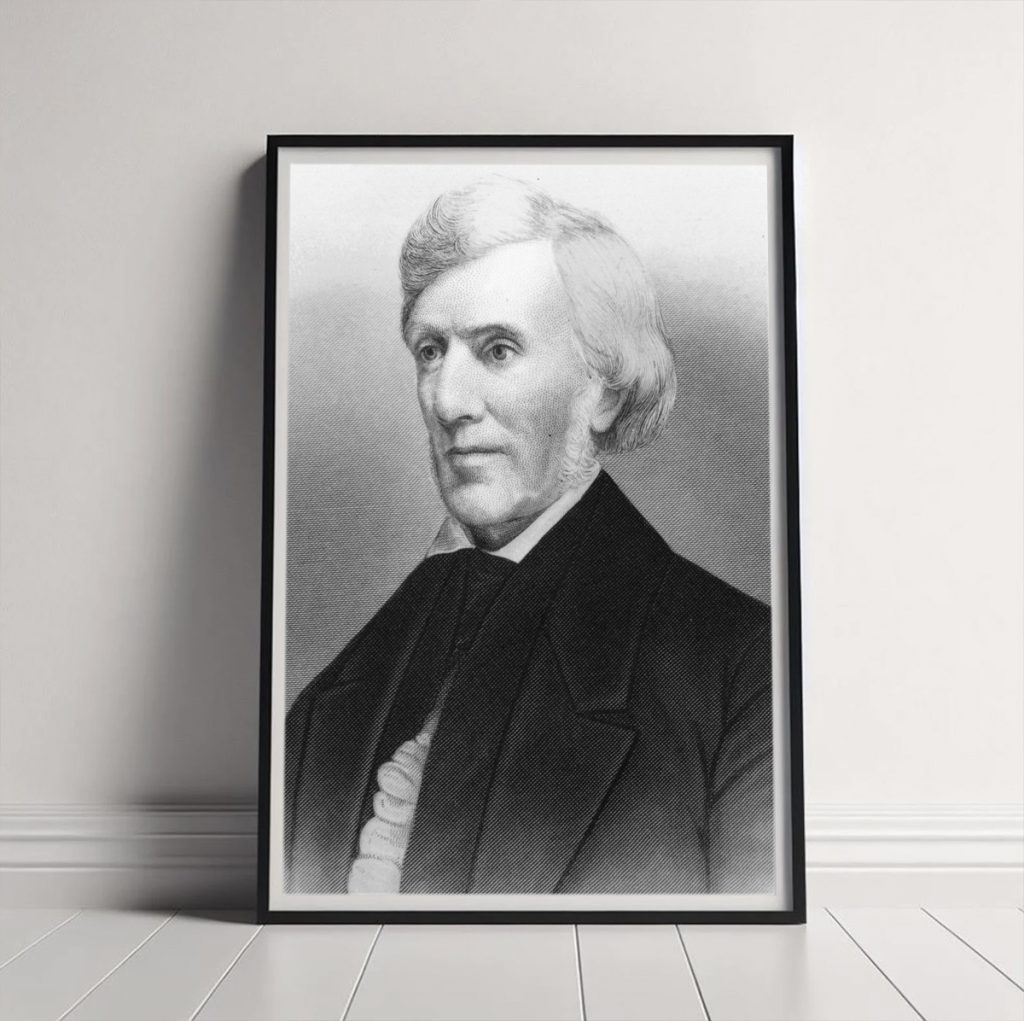
Samuel Wilkeson
Business
About Samuel Wilkeson
Samuel Wilkeson: The Visionary Who Shaped Buffalo’s Destiny
On January 1, 1825, Buffalo, New York, gained a figure whose vision and determination would catapult the city into a major economic and industrial hub. While Samuel Wilkeson is often recognized for his foresight and leadership, his efforts in the construction of Buffalo Harbor and the Erie Canal cemented his status as a key figure in Buffalo’s development. Wilkeson’s lasting influence helped transform what was once a small frontier town into a bustling port city at the heart of America’s trade and industry.
Breathing Life into Buffalo
Samuel Wilkeson wasn’t born into the lap of luxury, nor was his meteoric rise preordained. Like Buffalo itself, his early years were marked by grit and resolve. Originally from Carlisle, Pennsylvania, Wilkeson moved to Western New York in pursuit of opportunity, a region that symbolized the promise of growth for many pioneers.
By the time he arrived in Buffalo, the city was nothing more than an emerging outpost that lacked the infrastructure to fully capitalize on its position along Lake Erie. That didn’t deter Wilkeson. With a keen sense of Buffalo’s potential, he threw himself into civic life, seeking to build a strong foundation for the city’s future.
Buffalo’s central challenge at the time was its inadequate harbor. Without proper facilities for shipping and trade, the city risked losing its significance to larger ports like Cleveland and Erie. Wilkeson focused his energy on addressing this issue, knowing that a thriving port could open up Western New York to global commerce.
Carving a Path to Progress
Perhaps Wilkeson’s greatest claim to fame is his integral role in constructing Buffalo Harbor and connecting it to the Erie Canal, an engineering marvel of the 19th century. The canal promised to link the Great Lakes region with the Hudson River and New York City, creating an efficient trade route that could unlock the economic potential of the American interior.
However, the success of the Erie Canal pivoted on Buffalo’s ability to serve as its gateway, and the city’s harbor was woefully underprepared. Despite skepticism and logistical difficulties, Wilkeson took it upon himself to lead the charge.
Displaying a level of resourcefulness and resolve that would come to define his career, Wilkeson oversaw the decision to construct Buffalo’s harbor using a combination of timber cribbing and stone ballast—techniques that were groundbreaking at the time. To fund the project, he spearheaded the creation of local tax levies and used his personal finances to bridge resource gaps.
Wilkeson’s relentless efforts paid off. The harbor opened in 1825, just in time for the completion of the Erie Canal. Its success cemented Buffalo’s role as a transshipment hub, where goods from the Midwest could be funneled to the Atlantic markets and vice versa. Almost overnight, Buffalo blossomed into one of the most important port cities in the United States.
Economic and Industrial Boom
Samuel Wilkeson’s vision extended far beyond a single project. His work on the harbor catalyzed Buffalo’s economic and industrial expansion, enabling mills, warehouses, and factories to spring up along the waterfront. The city became a magnet for entrepreneurs and immigrants, with its population growing exponentially throughout the mid-19th century.
The ripple effects of Wilkeson’s efforts were astounding. Buffalo became a key player in industries such as grain milling, steel production, and shipping. With access to both lake and canal routes, the city turned into a gateway for migration and commerce, solidifying its place as a linchpin in America’s economy.
Anecdotes and Lesser-Known Facts
While Wilkeson is rightly celebrated as a visionary, there are several lesser-known facets to his life that reveal a man of incredible determination and versatility. One interesting anecdote involves Wilkeson personally laboring with crewmen during the harbor’s construction. Famously muddy and hazardous, the site demanded backbreaking work, yet Wilkeson was unshaken, digging and toiling alongside his employees. His hands-on approach earned him considerable respect and inspired others to follow his lead.
Another noteworthy detail about Wilkeson is his proficiency as a writer and an orator. Long before Buffalo’s importance was cemented, he penned open letters and delivered speeches extolling the city’s prospects, setting a tone of optimism that rallied public support. One might even say that Wilkeson’s ability to inspire was just as crucial to Buffalo’s rise as his engineering acumen.
A Lasting Legacy
Samuel Wilkeson’s imprint on Buffalo is undeniable. His contributions as a builder, leader, and advocate helped elevate Buffalo from obscurity to prominence. Beyond his structural accomplishments, his determination to see Buffalo thrive set the tone for generations of progress.
Buffalo, in turn, played a pivotal role in Wilkeson’s achievements. The city’s boundless potential and its resilient people served as the perfect backdrop for his ambitions. Wilkeson took those raw elements—potential and resilience—and shaped them into something extraordinary.
Today, Buffalo’s bustling waterfront is a testament to Wilkeson’s vision. With projects reviving the harbor as a center for culture, commerce, and tourism, his legacy is as vibrant as it’s ever been. For Buffalonians, Samuel Wilkeson remains a symbol of tenacity, foresight, and the capacity to dream big for a better future.
On January 1, as we celebrate the anniversary of Samuel Wilkeson’s birth, we honor not only an individual, but the indomitable spirit of a city that refuses to stand still. Just as Wilkeson once transformed Buffalo’s fate, his story reminds us that with hard work and vision, anything is possible.