
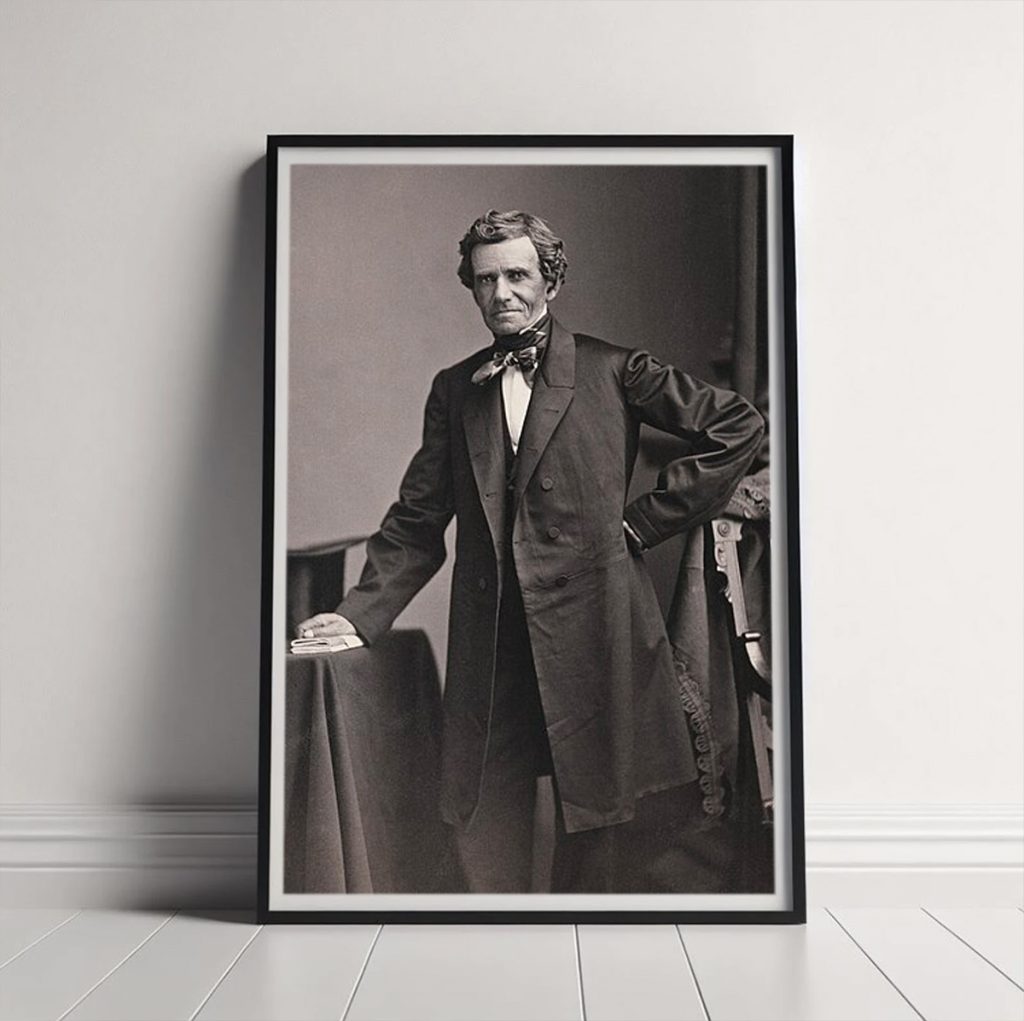
Samuel Wilkeson Jr.
Business
Journalist
Newspaper editor
Railroad executive
Real-estate developer
About Samuel Wilkeson Jr.
Samuel Wilkeson Jr.: A Gentleman of Enterprise and Leadership in Buffalo’s Formative Years
On May 9, 1817, in Buffalo, New York, Samuel Wilkeson Jr. was born into a family destined to leave an indelible mark on the city’s rise to prominence. Following in the visionary footsteps of his father, Samuel Wilkeson Sr., who spearheaded the construction of Buffalo Harbor, Wilkeson Jr. carried the family tradition of innovation and civic duty to new heights. Through his business acumen and dedication to public service, he became a driving force in advancing Buffalo’s prosperity during the 19th century.
Carrying a Legacy Forward
Growing up in the vibrant but challenging frontier environment of early 19th-century Buffalo, Samuel Wilkeson Jr. was deeply influenced by his father’s groundbreaking work. Witnessing the transformation of Buffalo Harbor into a bustling trade hub instilled in him a sense of possibility and responsibility to improve the city he called home.
Wilkeson Jr. inherited his father’s entrepreneurial spirit and immediately made his mark on Buffalo’s business landscape. With a sharp intellect and an eye for opportunity, he diversified into industries vital to the city’s future. Among his ventures were investments in shipping, grain storage, and milling—industries that were flourishing thanks to the Erie Canal. By capitalizing on Buffalo’s prime location, Wilkeson Jr. helped ensure the city remained a key player in the nation’s evolving economy.
A Passion for Civic Leadership
While Wilkeson Jr. was highly successful in business, he never lost sight of his obligation to the people of Buffalo. A firm believer in civic duty, he dedicated much of his energy to improving the city’s infrastructure and quality of life.
One of his most enduring contributions was his work on modernizing Buffalo’s transportation network. Wilkeson Jr. advocated for improved roadways and the development of railroads to complement the city’s shipping capabilities. Understanding the importance of connectivity to fuel commerce, he played a key role in ensuring Buffalo remained competitive with other major cities during the Industrial Revolution.
Beyond transportation, Wilkeson Jr. championed public health and education. He supported efforts to construct schools and libraries, recognizing the value of education in empowering Buffalo’s rapidly growing population. He also funded projects to improve sanitation and access to clean water, particularly as industrial growth brought new challenges to urban living.
Anecdotes and Lesser-Known Facts
Though Samuel Wilkeson Jr. is primarily remembered for his business and civic accomplishments, his character and personal stories reveal a man deeply committed to his community. One striking anecdote reflects his approach to problem-solving. During a grain supply bottleneck that threatened the city’s economy, Wilkeson Jr. personally negotiated with suppliers and shippers to restore the flow of goods. His hands-on efforts not only alleviated the crisis but also cemented his reputation as a leader who prioritized Buffalo’s well-being over his own interests.
Another lesser-known fact about Wilkeson Jr. was his active involvement in the abolitionist movement. Like many forward-thinking Buffalonians of his time, he was a vocal advocate for anti-slavery efforts, using his influence to support freedom seekers traveling on the Underground Railroad. Buffalo’s proximity to Canada, a haven for escaped slaves, made it a critical stop on the route to freedom, and Wilkeson Jr.’s efforts helped further the cause of justice and equality.
Wilkeson Jr.’s Legacy
Buffalo during the 19th century was a city on the cusp of greatness, and Samuel Wilkeson Jr. stood at the forefront of its evolution. His contributions to the city’s infrastructure, commerce, and civic life helped shape a community defined by its resilience and ambition.
Much like his father before him, Wilkeson Jr. exemplified the values of hard work, vision, and public service. He saw the potential in Buffalo and worked tirelessly to transform it into a place of opportunity and prosperity for its citizens. His efforts not only spurred Buffalo’s economic growth but also set the stage for its rich cultural and social legacy.
Buffalo, in turn, played a vital role in Wilkeson Jr.’s success. The city’s strategic location and industrious spirit provided the perfect environment for his entrepreneurial endeavors and civic ideals to flourish. Together, they embodied a partnership of community and character that continues to inspire.
Today, Samuel Wilkeson Jr. is celebrated as one of Buffalo’s icons—a man whose life’s work contributed to the city’s transformation into a hub of commerce, industry, and humanity. On May 9, as we honor his birth, we remember not just the legacy of one man but the enduring power of vision and commitment to community.