
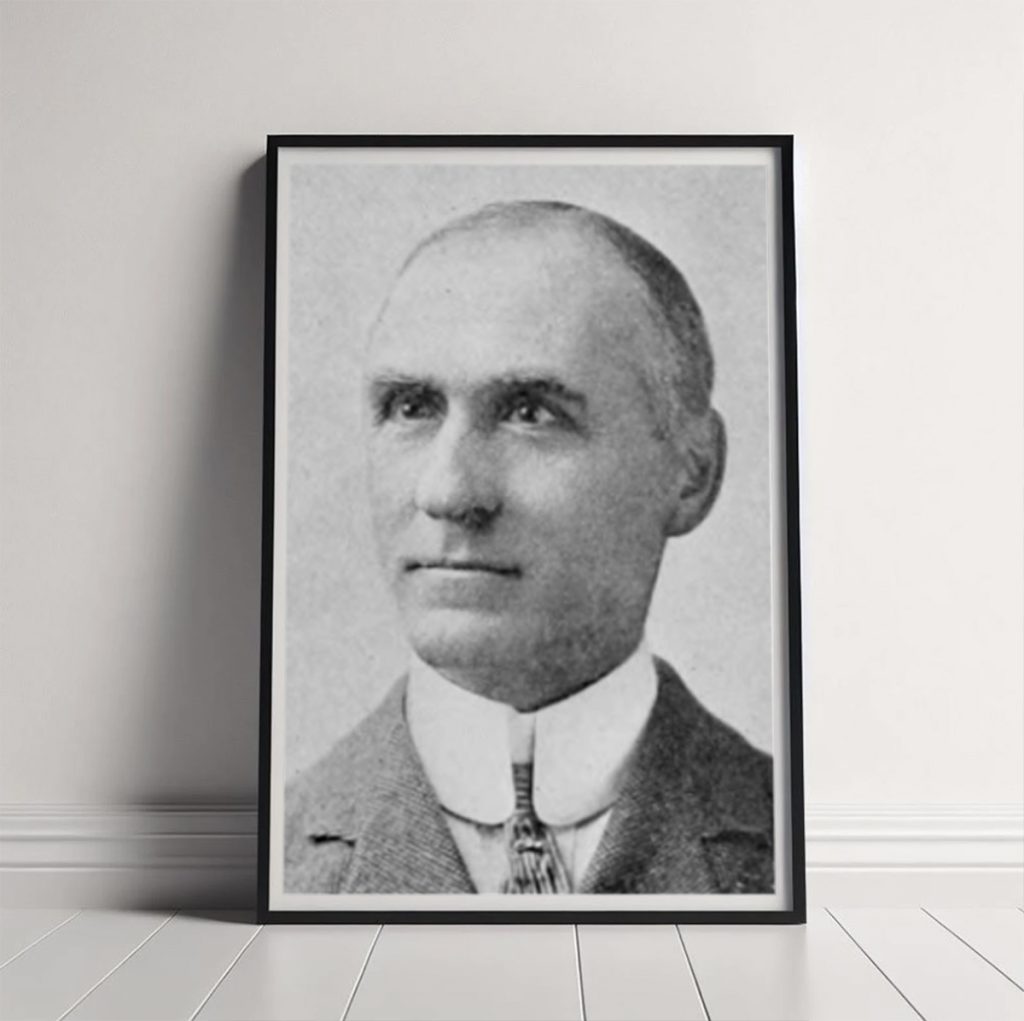
Seward Cary
Polo player
About Seward Cary
Seward Cary – Buffalo’s Polo Pioneer
Buffalo, NY, has always been home to extraordinary individuals who leave their mark across various fields. One such figure is Seward Cary, born on March 1, 1862, who played a pivotal role in the history of polo in the United States. Known not only for his contributions to the sport but also for his involvement in the lumber industry and vibrant Buffalo society, Cary’s legacy continues to echo through his remarkable influence and accomplishments.
Early Life in Buffalo
Seward Cary came from a distinguished Buffalo family of prominence and influence. He was one of seven children born to Dr. Walter Cary and Julia Love Cary, a family deeply rooted in the city’s history and success. His grandfather, Trumbull Cary, was a New York State Senator and Assemblyman, while his siblings included notable Buffalo figures such as architect George Cary and physician Charles Cary.
Raised in a culturally rich household on Delaware Avenue, Seward imbibed the values of hard work and leadership from a young age. He pursued higher education at Harvard University, followed by studies at Buffalo Medical College. Cary’s years in Buffalo cultivated a deep connection to the city, which he carried throughout his life as he traveled and achieved success.
Bringing Polo to Harvard and Beyond
Seward Cary’s passion for horses and competitive sports led him to become one of the preeminent figures in American polo. During the 1880s, while attending Harvard University, he was credited with introducing the game of polo to the Ivy League institution, forever altering the sporting culture there. Cary’s influence paved the way for the elite circles of sports enthusiasts to recognize and adopt polo as a major competitive sport.
After college, Cary immersed himself in the world of polo, playing for 58 consecutive seasons, a feat that cemented his reputation as a lifelong devotee to the sport. He famously won the W.H. Andrews Cup, a prestigious award, further solidifying his legacy in the polo community. His unrelenting passion for the game encouraged others to take up the sport, raising its popularity and stature in the United States. Cary’s contributions helped establish polo as a beloved pastime for both players and spectators alike.
The Lumber Business and Buffalo’s Economy
Beyond his accomplishments in the sports world, Seward Cary played a significant role in Buffalo’s economic landscape. He joined Scatcherd & Son, a leading hardwood lumber company, in 1887. The firm was one of the largest of its kind in the country and provided Cary with an opportunity to showcase his business acumen.
His work in the industry further connected him to influential circles within Buffalo and other parts of New York State. A member of both the Buffalo Club and the Saturn Club, Cary was a well-known and admired figure who helped integrate the growing industrial sphere with Buffalo’s social and cultural life. His active involvement in these organizations demonstrated his ongoing commitment to the city’s prosperity.
Life and Legacy
Seward Cary was not only known for his professional and athletic pursuits but also for his prominent position within Buffalo’s social circles. He married Emily L. Scatcherd in 1887, with whom he shared a life of notable engagements and community commitments. Together, they raised children and maintained residences in both Long Island and Manhattan, though Buffalo always remained at the heart of Cary’s endeavors.
Cary’s contributions to polo, business, and Buffalo society left an indelible mark on the city. He passed away on September 5, 1948, while on vacation in Small Point, Maine. Today, his memory lives on in both the sports community and Buffalo’s cultural history, with his resting place at the Forest Lawn Cemetery serving as a quiet reminder of his enduring impact.
Lasting Influence
Seward Cary’s determination, vision, and love for his hometown exemplify the spirit of Buffalo. His role in popularizing polo, particularly at prestigious institutions like Harvard, laid the groundwork for its prominence in the sporting world. Concurrently, his contributions to Buffalo’s economy through the hardwood lumber industry solidify his reputation as a versatile and accomplished individual.
More importantly, Cary’s life inspires subsequent generations of Buffalonians to pursue their passions, whether on the field, in business, or in service to their community. His story is one of dedication to excellence, a passion for innovation, and an abiding love for the city of Buffalo—a beacon for anyone looking to make their mark in the world.
From the grandeur of polo fields to the bustling streets of Buffalo, the legacy of Seward Cary remains an integral part of the city’s rich history. His achievements continue to illustrate how one life, rooted in integrity and ambition, can define a community and a sport for generations to come.